
Masai Mara Safari
A Masai Mara safari is one of the most memorable wildlife experiences you can enjoy in Africa. Located in southwestern Kenya, the world-famous Masai Mara National Reserve is home to extraordinary wildlife, breathtaking savannah landscapes, and the spectacular Great Wildebeest Migration.
From watching lions roam across the plains to witnessing elephants moving through the grasslands, the Masai Mara offers an authentic African safari experience for travellers of all ages.
Whether you are planning a short wildlife adventure from Nairobi, a budget-friendly group joining safari, a private family holiday, or a luxury safari experience, the Masai Mara safari provides a wide range of options.
The destination is particularly famous for the Big Five, its impressive predator population, and the annual movement of wildebeest and zebras across the greater Mara–Serengeti ecosystem.
Planning your safari involves choosing the right travel season, accommodation, transport, and itinerary. Understanding park entry fees and visitor requirements is also essential when preparing your travel budget.
This detailed guide by Serval Tours and Travel explores everything you need to know before visiting the Masai Mara, helping you plan a comfortable, rewarding, and unforgettable Kenya safari.
1. Why Visit Masai Mara safari?
The Masai Mara is one of Africa’s most celebrated wildlife destinations. Its diverse ecosystem, abundant wildlife, and exceptional game-viewing opportunities make it a favourite destination for international visitors and local travellers.
Here are some of the main reasons why the Masai Mara deserves a place on your safari bucket list.
Witness the Great Wildebeest Migration
The Masai Mara safari Great Wildebeest Migration is one of the most spectacular wildlife events in the world.
Every year, millions of wildebeest, accompanied by zebras and gazelles, move across the Serengeti–Mara ecosystem in search of fresh grazing and water.
Between approximately July and October, large herds may move into the Masai Mara from Tanzania. During this period, visitors have opportunities to witness the dramatic Mara River crossings, where wildebeest face strong currents and crocodiles.
The river crossings are unpredictable, and their timing depends on rainfall, grazing conditions, and herd movements. However, even without witnessing a crossing, the migration season offers exceptional wildlife viewing.
Visitors can encounter enormous herds, predators following the migration, and dramatic scenes across the open savannah.
Experience the Big Five
The Masai Mara safari is one of the best destinations in Kenya for searching for the Big Five.
These iconic animals are:
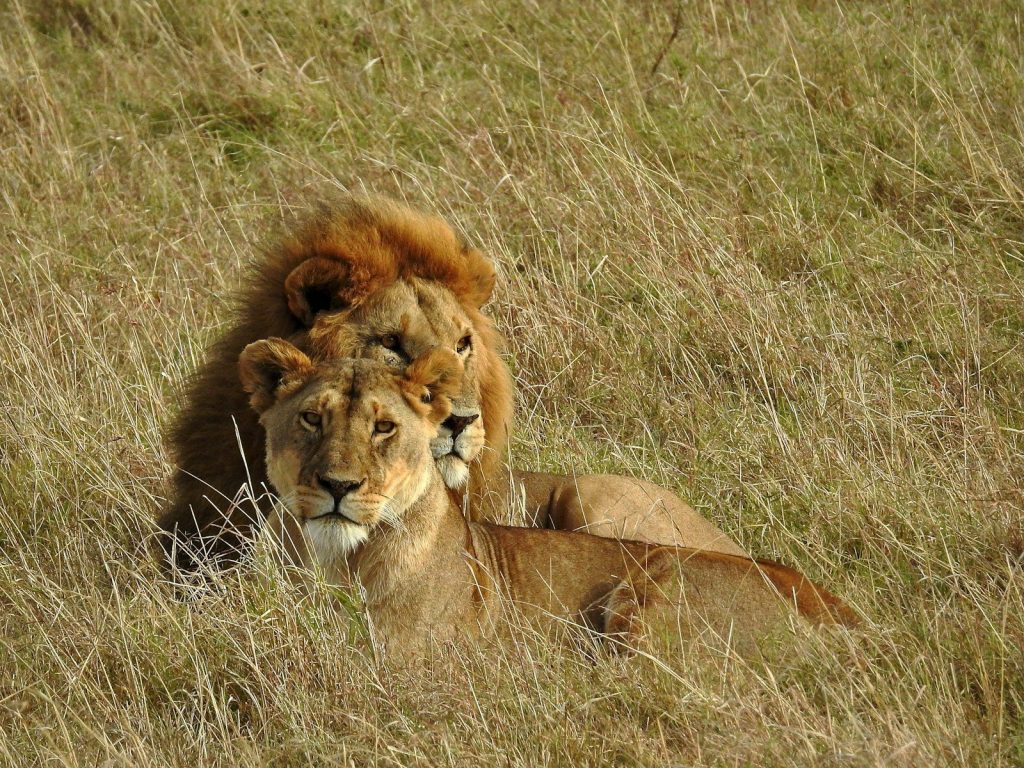
- Lion: The Masai Mara safari is famous for its lions, which are frequently seen resting, hunting, or moving across the plains.
- Leopard: These elusive cats are often found in trees or near riverine vegetation.
- Elephant: Elephants are regularly encountered in different parts of the reserve.
- Buffalo: Large herds of buffalo are commonly seen grazing in the grasslands.
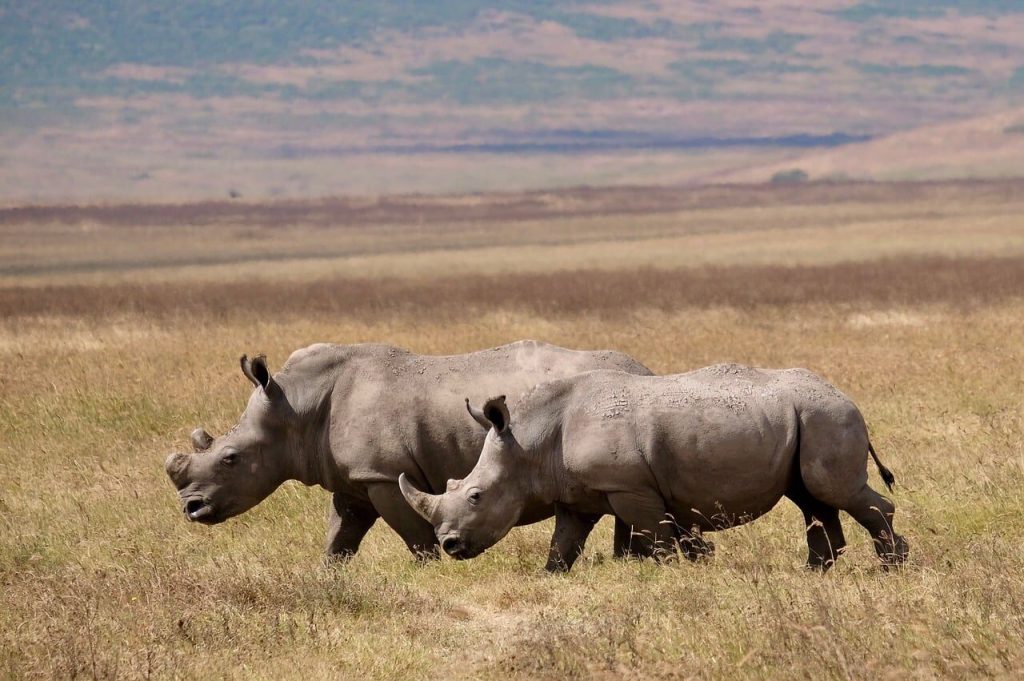
- Rhinoceros: Black rhinos inhabit the reserve, although sightings are less predictable.
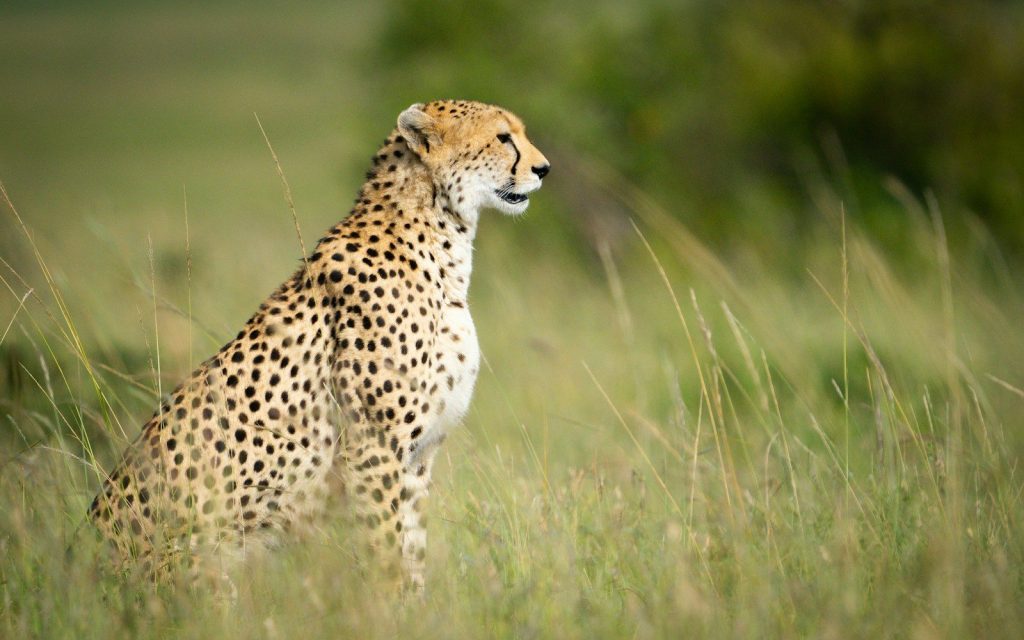
In addition to the Big Five, visitors may encounter cheetahs, hyenas, giraffes, zebras, hippos, crocodiles, and several species of antelope.
Enjoy Incredible Wildlife Photography
The Masai Mara safari offers excellent opportunities for wildlife photography.
Its open landscapes allow photographers to capture animals against beautiful natural backgrounds. Early morning and late afternoon provide soft golden light, creating ideal conditions for photographing wildlife.
Masai Mara safari can provide opportunities to capture lions resting in the grass, elephants crossing the plains, cheetahs scanning the horizon, and wildebeest moving across the landscape.
For photography enthusiasts, a private safari with a 4×4 Land Cruiser is an excellent option because it allows greater flexibility with game-drive timing and wildlife viewing.
Discover the Beauty of the African Savannah
The Masai Mara safari is famous for its breathtaking landscapes.
Rolling grasslands, scattered acacia trees, riverine forests, and dramatic sunsets create the classic African safari atmosphere.
The scenery changes throughout the year. During the green season, the landscape becomes lush and vibrant, while the dry season often brings shorter grass and clearer wildlife visibility.
These natural contrasts make the Masai Mara attractive to visitors throughout the year.
Experience Maasai Culture
The Masai Mara is named after the Maasai people, whose cultural heritage is deeply connected to the surrounding landscape.
Visitors can arrange cultural experiences in nearby Maasai communities to learn about traditional homes, beadwork, customs, and local lifestyles.
Responsible cultural tourism also provides opportunities to support community initiatives and conservation efforts.
A cultural visit can add a meaningful dimension to your safari by connecting wildlife tourism with the people and communities who live alongside the ecosystem.
2. Overview of Masai Mara National Reserve
The Masai Mara National Reserve is a protected wildlife area in Narok County, southwestern Kenya.
The reserve covers approximately 1,510 square kilometres of savannah and riverine forest and forms the northern part of the greater Serengeti–Mara ecosystem. It is managed by the Narok County Government.
The Masai Mara safari is internationally recognized for its rich biodiversity, large predator population, and annual Great Wildebeest Migration.
Masai Mara Safari Overview
| Feature | Details |
|---|---|
| Destination | Masai Mara National Reserve |
| Country | Kenya |
| Location | Narok County, southwestern Kenya |
| Ecosystem | Mara–Serengeti ecosystem |
| Famous for | Great Wildebeest Migration and Big Five |
| Main activities | Game drives, photography, balloon safaris, cultural visits |
| Best-known migration period | July to October |
| Recommended duration | 3–4 days |
| Main access | Road from Nairobi or scheduled flights |
| Recommended vehicle | 4×4 Land Cruiser with pop-up roof |
What to Expect on a Masai Mara Safari
A typical Masai Mara safari includes morning and afternoon game drives led by an experienced safari guide.
Morning game drives usually begin early when wildlife is active and temperatures are cooler. Afternoon drives provide opportunities to explore different areas of the reserve and enjoy the beautiful African sunset.
Depending on your package, you may also enjoy full-day game drives with packed lunches, optional hot-air balloon safaris, or cultural experiences.
The reserve is a year-round safari destination, and resident wildlife can be seen even when the Great Migration is outside Kenya.
How to Get to Masai Mara
Travellers can reach the Masai Mara by road or air.
By road: The journey from Nairobi generally takes around 5–6 hours, depending on the route, traffic, weather, and road conditions. A 4×4 safari vehicle is recommended, particularly during the rainy season.
By air: Scheduled and charter flights operate from Nairobi’s Wilson Airport to airstrips in the greater Mara region. Flying is a convenient option for visitors with limited time or those seeking a luxury safari experience.
Road safaris are popular for group joining and private safari packages, while flying safaris can reduce travel time and provide spectacular aerial views.
lodges and tented camps offer a balance between affordability and comfort.
They typically provide comfortable rooms or tents, private bathrooms, restaurant facilities, and welcoming safari environments.
Midrange accommodation is suitable for couples, families, and travellers seeking a comfortable experience without the high cost of luxury properties.
When choosing a midrange camp, consider its location relative to the reserve gates and the areas you intend to explore during your game drives.
Luxury Accommodation in Masai Mara
Masai Mara safari offers Luxury safari lodges and tented camps offer a premium experience with spacious accommodation, personalized service, high-quality dining, and beautiful wilderness views.
Some luxury properties are located within private conservancies, where visitor numbers may be more restricted and additional activities may be available.
Examples of luxury accommodation include:
- Mara Serena Safari Lodge
- Angama Mara
- Selected luxury tented camps and conservancy lodges
Masai Mara safari Luxury accommodation is ideal for honeymooners, photographers, families seeking premium comfort, and travellers looking for an exclusive safari experience.
Always confirm the exact location and inclusions of your accommodation. A luxury camp in a private conservancy may have different conservation fees and activity arrangements from a lodge inside the main reserve.
Should You Stay Inside or Outside the Reserve?
Both options can provide excellent safari experiences.
Staying inside the reserve offers convenient access to game-drive areas and can reduce the time spent travelling between accommodation and wildlife viewing locations.
Staying outside the reserve, particularly near a gate, may offer more affordable accommodation. However, you should consider entry fees, gate opening times, and the distance to the main wildlife viewing areas.
Private conservancies provide another option, often offering more exclusive experiences and activities such as guided walking safaris and night drives, subject to the conservancy’s rules.
The best accommodation choice depends on your budget, travel dates, preferred safari style, and planned activities.
4. Best Time to Visit Masai Mara
The Masai Mara is a year-round safari destination, but the best time to visit depends on your wildlife interests, budget, and travel preferences.
The reserve experiences different seasonal conditions throughout the year, each offering unique opportunities for wildlife viewing and photography.
July to October: Great Migration Season
July to October is the most popular period for a Masai Mara safari, particularly for travellers interested in the Great Wildebeest Migration.
During these months, large herds of wildebeest and zebras may move into the reserve from Tanzania. The Mara River crossings are among the most anticipated wildlife events, although their timing is unpredictable.
Advantages:
- Excellent opportunities to see large wildlife herds.
- Potential to witness dramatic river crossings.
- Generally favourable wildlife viewing conditions.
- Excellent opportunities for wildlife photography.
Things to consider:
- Accommodation prices are often higher.
- Popular camps and lodges book up early.
- Wildlife viewing areas can become crowded.
For travellers planning a migration safari, booking accommodation and transport several months in advance is recommended.
January to March: Excellent Wildlife Viewing
January to March is another excellent period for visiting the Masai Mara safari.
The landscape is often relatively dry, making wildlife easier to spot. Resident predators such as lions, cheetahs, and leopards remain active, and visitors can enjoy rewarding game drives.
This period is suitable for travellers interested in general wildlife viewing, photography, and a safari experience outside the busiest migration months.
April to May: Green Season
April and May are associated with Kenya’s long rains.
The reserve becomes greener, offering beautiful scenery and excellent birdwatching opportunities. Although rainfall may affect road conditions and game-drive schedules, the green season can be rewarding for visitors who prefer quieter safari experiences.
Advantages:
- Beautiful green landscapes.
- Fewer visitors in many areas.
- Potentially better accommodation value.
- Excellent birdwatching and photography.
A 4×4 safari vehicle is particularly important during this period because some roads may become muddy or difficult to navigate.
June: A Good Time Before Peak Season
June is a transition period between the long rains and the drier months.
It can be a good time to visit the Masai Mara if you want to enjoy wildlife viewing before the busiest migration months.
Depending on rainfall and wildlife movements, visitors may encounter early migration activity and excellent resident wildlife.
November to December: Short Rains and Green Landscapes
Masai Mara safari in November and December can offer beautiful scenery, fresh vegetation, and rewarding birdwatching.
Wildlife remains abundant, although rainfall can influence game-drive conditions.
This period can be attractive to visitors looking for a different safari atmosphere from the busy migration season.
The Kenya Wildlife Service identifies July to December and December to March as generally favourable wildlife-viewing periods, while April to June is associated with the long rains and conditions that may require four-wheel-drive vehicles.
Best overall recommendation: July to October is ideal for migration-focused safaris, while January to March is excellent for general wildlife viewing. The Masai Mara remains rewarding throughout the year.
5. Masai Mara Park Fees and Requirements
Before booking your Masai Mara safari, it is important to understand the park entry fees, identification requirements, and other charges that may affect your safari budget.
The Masai Mara National Reserve is managed by Narok County Government. Its entry fees are different from those charged by Kenya Wildlife Service in national parks such as Amboseli and Lake Nakuru.
Masai Mara Park Fees for 2026
Masai Mara safari Park fees are generally charged per person, per day. Rates depend on the visitor category and season.
The following published rates apply to visitors entering the main reserve under the non-resident category.
| Visitor category | January–June | July–December |
|---|---|---|
| Adult, 18 years and above | USD 100 | USD 200 |
| Child, 9–17 years | USD 50 | USD 50 |
| Child, 8 years and below | Free | Free |
These rates are for planning purposes. The applicable fee depends on the current official schedule, visitor category, and area being visited. <sup>4</sup>
For Kenyan citizens and East African residents, fees are charged in Kenyan shillings under the relevant visitor categories.
Park fees can change through official county regulations, so travellers should confirm the latest rates before booking.
What Is Included in the Park Fee?
The Masai Mara safari park entry fee generally covers access to the reserve for the applicable ticket period.
It does not automatically include:
- Accommodation.
- Safari vehicle hire.
- Professional safari guide services.
- Meals and drinks.
- Hot-air balloon safari.
- Private conservancy fees.
- Cultural visits.
- Airport or airstrip transfers.
These services may be included in a safari package or charged separately.
Masai Mara safari Entry Requirements
Visitors should prepare the following documents and information before travelling.
1. Valid identification
International visitors should carry a valid passport. Kenyan citizens should carry their national identification card or other accepted documentation.
East African residents should carry the relevant residence or work permit documentation.
2. Correct visitor category
Park fees differ for citizens, residents, and non-residents. Travellers should ensure they are booked under the correct category and have the necessary identification.
3. Confirmed safari booking
It is advisable to have your accommodation confirmation, safari itinerary, and tour operator contact details available.
4. Appropriate safari vehicle
A 4×4 Land Cruiser with a pop-up roof is recommended for comfortable wildlife viewing and photography.
5. Respect park rules
Visitors should follow the instructions of their safari guide and park authorities. Wildlife should be observed from a safe distance, and animals should never be disturbed or fed.
6. Confirm park entry arrangements
Park fees and entry procedures may differ depending on the gate, reserve section, or conservancy being visited.
Confirm the arrangements with your tour operator before departure. Narok County’s service charter lists passports or national identification documents among the requirements for reserve entry.
6. Ideal Masai Mara Safari Package
Choosing the right Masai Mara safari package depends on your travel dates, budget, preferred accommodation, and how much time you want to spend exploring the reserve.
For most first-time visitors, a 3-day or 4-day safari is an excellent choice.
A 3-day safari provides a classic introduction to the Mara, while a 4-day safari allows more time for game drives and a less rushed experience.
3 Days Masai Mara Group Joining Safari
A 3-day group joining safari is ideal for budget-conscious travellers, solo visitors, couples, and small groups who want to experience the Masai Mara at an affordable rate.
Travellers share a safari vehicle and enjoy scheduled game drives with other guests.
Suggested itinerary
Day 1: Nairobi to Masai Mara
Depart Nairobi in the morning and travel to the Masai Mara through the Great Rift Valley.
Arrive at your camp in time for lunch, followed by an afternoon game drive.
Enjoy your first opportunity to search for lions, elephants, giraffes, zebras, and other wildlife.
Overnight: camp/lodge
Day 2: Full-Day Masai Mara Game Drive
Enjoy a full-day game drive in the reserve with a packed lunch.
Explore the vast savannah in search of the Big Five and other wildlife. Depending on the season, you may encounter large wildebeest herds or migration activity.
Return to camp in the evening.
Overnight: camp/lodge
Day 3: Masai Mara to Nairobi
Enjoy an early breakfast before departing for Nairobi.
Arrive in the city in the afternoon or evening, depending on road conditions and traffic.
This package is ideal for travellers looking for an affordable and memorable Masai Mara safari.
4 Days Masai Mara Private Safari
A 4-day private safari is ideal for couples, families, photographers, and travellers seeking a more flexible experience.
With a private 4×4 Land Cruiser, you can enjoy personalized game drives and explore the reserve at your own pace.
Suggested itinerary
Day 1: Nairobi to Masai Mara
Depart Nairobi and travel to the Masai Mara. Enjoy scenic views along the way before arriving at your lodge or tented camp.
After lunch, enjoy an afternoon game drive.
Overnight: Selected safari accommodation.
Day 2: Full-Day Wildlife Exploration
Spend the day exploring the Masai Mara with morning and afternoon wildlife viewing opportunities.
Search for the Big Five, enjoy the beautiful landscapes, and learn about the reserve from your professional safari guide.
Overnight: Selected safari accommodation.
Day 3: Another Day in Masai Mara
Enjoy another full day in the reserve.
Additional time allows you to explore different wildlife viewing areas and increases your opportunities to encounter animals you may have missed earlier.
Optional activities may include a hot-air balloon safari or a cultural visit, depending on availability and the package.
Overnight: Selected safari accommodation.
Day 4: Masai Mara to Nairobi
Enjoy breakfast before departing for Nairobi.
Arrive in the city in the afternoon or evening, marking the end of your unforgettable safari.
Which Masai Mara Safari Package Is Best?
| Safari package | Ideal for |
|---|---|
| 2 Days Masai Mara Safari | Travellers with limited time |
| 3 Days Group Joining Safari | Budget-conscious travellers and solo visitors |
| 3 Days Private Safari | Couples and small families |
| 4 Days Private Safari | Wildlife enthusiasts and photographers |
| 5 Days Luxury Safari | Travellers seeking a premium experience |
For a first-time visitor, we recommend a 3-day or 4-day Masai Mara safari. A longer stay provides more opportunities to explore the reserve and enjoy the wildlife at a comfortable pace.
Frequently Asked Questions About Masai Mara Safari
What is the Masai Mara famous for?
The Masai Mara is famous for its abundant wildlife, the Great Wildebeest Migration, the Big Five, and spectacular African savannah landscapes.
How many days are enough for a Masai Mara safari?
Three days and two nights are a good minimum for a classic safari. Four days and three nights provide more time for wildlife viewing and a more relaxed experience.
What is the best month to visit Masai Mara?
July to October is the most popular period for migration viewing. January to March is also excellent for general wildlife viewing and predator sightings.
Can I see the Big Five in Masai Mara?
Yes. The reserve is home to lions, leopards, elephants, buffalo, and black rhinos. However, sightings of all five species are not guaranteed during a single safari.
Is the Great Wildebeest Migration guaranteed?
No. Migration movements depend on rainfall, grass availability, and natural conditions. River crossings are unpredictable, so visitors should not expect a crossing on a specific date.
Is Masai Mara suitable for families?
Yes. The Masai Mara is suitable for families with children. A private safari vehicle can provide greater flexibility with game-drive timing and activities.
Families should confirm the accommodation’s child policy and age-based park fees before booking
Is a group joining safari cheaper than a private safari?
Generally, yes. Group joining safaris allow travellers to share transport and some operating costs, making them more affordable than private safaris.
A private safari offers greater flexibility, privacy, and personalized game drives
What should I pack for a Masai Mara safari?
Essential items include:
Comfortable neutral-coloured clothing
A warm jacket for early morning game drives.
Comfortable walking shoes.
Sunscreen and a hat.
Sunglasses.
Binoculars.
A camera and spare batteries.
Personal medication and toiletries.
Can I visit Masai Mara from Nairobi?
Yes. Visitors can travel from Nairobi to the Masai Mara by road or take a scheduled flight to one of the area’s airstrips.
Road safaris are popular for group joining and private packages, while flying is convenient for travellers with limited time
Is Masai Mara worth visiting outside the migration season?
Absolutely. The reserve has resident wildlife throughout the year, including lions, cheetahs, elephants, giraffes, buffalo, and many other species.
Visiting outside the migration season can also offer fewer crowds, greener scenery, and potentially better accommodation value.
Plan Your Masai Mara Safari with Serval Tours and Travel
The Masai Mara offers an unforgettable combination of wildlife, adventure, and natural beauty.
Whether you are interested in the Great Wildebeest Migration, a Big Five safari, a budget-friendly group joining trip, or a luxury private adventure, the reserve provides an incredible experience for every traveller.
At Serval Tours and Travel, we help travellers plan memorable Kenya safari experiences with carefully selected accommodation, professional safari guides, and comfortable 4×4 safari vehicles.
From short 3-day Masai Mara group joining safaris to customized private wildlife adventures, we can help you choose a package that matches your travel style and budget.
Start planning your Masai Mara safari today and discover the magic of Kenya’s most iconic wildlife destination.
Book your Masai Mara safari with Serval Tours and Travel and experience the beauty of the African wilderness.