
Guide to Kenya Safari in 2027
Kenya is one of Africa’s most remarkable safari destinations, offering breathtaking landscapes, abundant wildlife, beautiful beaches, and unforgettable cultural experiences. From the golden grasslands of the Maasai Mara to the elephant-filled plains of Amboseli National Park, the country provides incredible opportunities to explore the natural world. Whether you are planning your first African adventure or returning for another wildlife experience, a Kenya safari in 2027 is an excellent opportunity to discover the country’s extraordinary beauty.
Planning a successful safari involves more than choosing a national park. Travellers need to consider the best time to visit, the destinations to include, accommodation options, transportation, park fees, travel documents, and the overall budget. Making these decisions early can help you enjoy a smoother journey and get the most value from your trip.
Kenya caters to different types of travellers, including couples, families, solo adventurers, photographers, luxury holidaymakers, and budget-conscious visitors. You can choose a private safari with a dedicated guide and vehicle, join a group safari to share costs, or combine your wildlife adventure with a relaxing beach holiday along the Kenyan coast.
This comprehensive guide explains everything you need to know to plan your Kenya safari in 2027, from selecting destinations and arranging accommodation to preparing for game drives and creating an itinerary that matches your travel style.
1. Why Choose Kenya for a Safari in 2027?
Kenya offers a diverse range of wildlife habitats and safari experiences within one country. Its national parks and reserves support many iconic African animals, including elephants, lions, leopards, buffaloes, giraffes, zebras, and rhinoceroses.
One of Kenya’s greatest attractions is the opportunity to observe wildlife in its natural environment. Visitors can watch elephants moving across open plains, lions resting beneath acacia trees, and giraffes feeding on tall vegetation. With an experienced safari guide, even an ordinary game drive can become an educational and memorable experience.
Kenya also offers excellent variety beyond wildlife viewing. Travellers can explore the Great Rift Valley, visit traditional communities through responsible cultural tourism, enjoy scenic mountain landscapes, and finish their holiday beside the Indian Ocean.
Another advantage is the availability of safari options for different budgets. Travellers can choose simple camps, comfortable midrange lodges, luxury tented camps, or exclusive private safari experiences. This flexibility makes Kenya an appealing destination for different travel preferences.
Booking early for 2027 can also help you secure preferred accommodation, especially if you plan to travel during popular holiday periods or the Great Migration season.
2. Best Time to Visit Kenya for a Safari in 2027
The best time for your safari depends on your preferred activities, wildlife interests, budget, and the destinations you want to visit. Kenya can be explored throughout the year, although weather conditions and seasonal wildlife movements influence the experience.
January to March: Warm Weather and Wildlife Viewing
The beginning of the year can be a rewarding period for wildlife viewing. Many areas experience relatively dry conditions, although weather varies between regions. Animals may gather around dependable water sources, and vegetation can be less dense in some locations.
This period can be suitable for travellers visiting Amboseli, Tsavo, the Maasai Mara, and other wildlife destinations. It is also worth considering for photography, particularly when clear skies and good visibility prevail.
Travellers should remember that conditions differ between parks, and rainfall can occur even during traditionally drier months.
April to May: The Green Season
April and May are generally associated with Kenya’s long rains. Some roads may become muddy, and heavy rainfall can occasionally affect driving conditions and travel schedules.
However, the green season has its own attractions. Landscapes become lush, birdlife can be excellent, and many areas look especially beautiful for photography. Some camps and lodges may offer lower rates than during peak travel periods.
Travellers visiting during these months should choose accommodation carefully, confirm road conditions, and allow flexibility in their itineraries.
June to October: A Popular Safari Season
June to October is generally one of the most popular periods for wildlife safaris in Kenya. Many destinations experience relatively dry weather, making it easier to travel between parks and observe animals in open habitats.
The Maasai Mara attracts particular interest during the Great Migration period, when large herds of wildebeest and zebras move through the wider Mara–Serengeti ecosystem. The timing of their arrival and river crossings varies each year, so sightings cannot be guaranteed.
July, August, and September can be especially busy. Travellers hoping to visit during this period should reserve accommodation and safari transport well in advance.
November to December: Short Rains and Festive Travel
The short rains commonly occur around November and may continue into December, although seasonal patterns vary. These rains can refresh the landscape and create attractive scenery for photography.
This period can be a good option for travellers seeking a different safari atmosphere. However, Christmas and New Year are popular travel dates, and accommodation availability may become limited.
Planning tip: Instead of selecting dates based only on a general wildlife calendar, consider the parks you want to visit, the length of your trip, and your preferred accommodation category before choosing your travel period.
3. The Best Safari Destinations to Include in Your Kenya Itinerary
Kenya has several outstanding wildlife destinations, each offering a different experience. Your ideal itinerary will depend on how many days you have available and which animals, landscapes, and activities interest you most.
Maasai Mara National Reserve
The Maasai Mara is one of Kenya’s most celebrated safari destinations. Its expansive grasslands support a wide variety of wildlife, including lions, elephants, leopards, cheetahs, hyenas, giraffes, and numerous antelope species.
The reserve is particularly famous for the Great Migration, when wildebeest and zebras move between Tanzania’s Serengeti ecosystem and the Mara region. River crossings can be dramatic, but their timing and location are unpredictable.
Visitors can enjoy morning and afternoon game drives, wildlife photography, and, where available and weather permitting, hot-air balloon safaris.
The Maasai Mara suits first-time visitors, couples, photographers, and travellers looking for a classic African safari. Accommodation ranges from budget camps outside the reserve to luxury tented properties in and around the wider Mara ecosystem.
Amboseli National Park
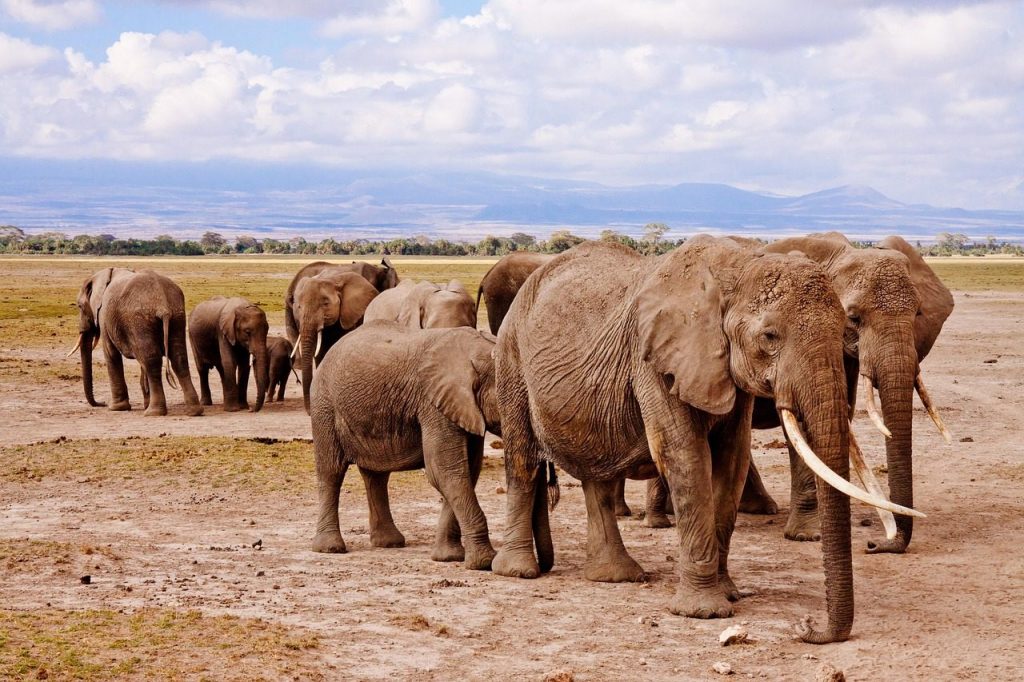
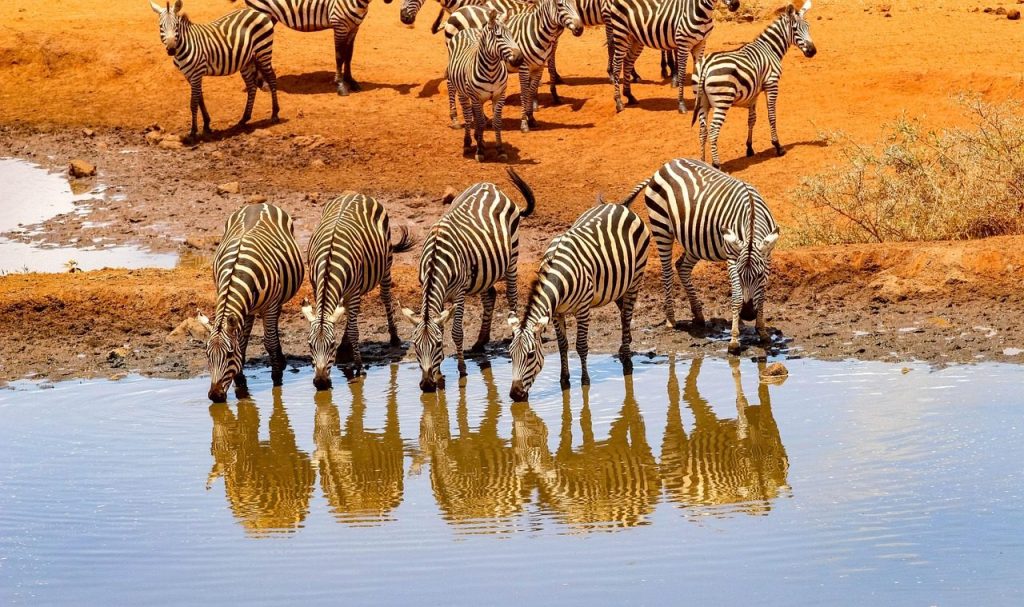
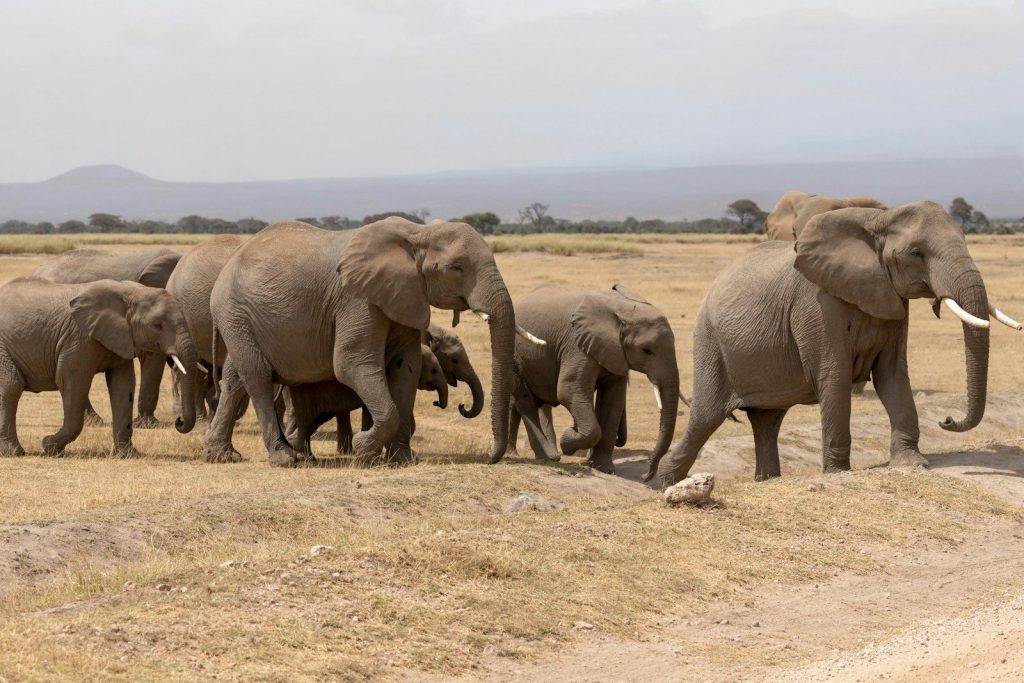
Amboseli is renowned for its large elephant herds and spectacular views of Mount Kilimanjaro across the border in Tanzania. Its open plains, swamps, seasonal lakes, and acacia woodlands create varied habitats for wildlife.
Elephants are a major attraction, while giraffes, zebras, buffaloes, hyenas, and many bird species may also be encountered. The park’s scenery is particularly appealing to photographers who want to capture wildlife against the backdrop of Africa’s highest mountain.
Amboseli is often included in short safaris from Nairobi or combined with the Maasai Mara for a longer wildlife adventure.
Lake Nakuru National Park
Lake Nakuru National Park offers a different safari environment, combining lake scenery, woodland, grassland, and viewpoints over the Great Rift Valley.
The park is known for its conservation efforts involving rhinoceroses and is also home to giraffes, buffaloes, zebras, and other wildlife. Birdlife can be excellent, although flamingo numbers vary depending on water conditions and food availability.
Lake Nakuru is a useful stop on itineraries travelling between Nairobi and the Maasai Mara. A game drive can be combined with a scenic journey through the Rift Valley.
Samburu National Reserve
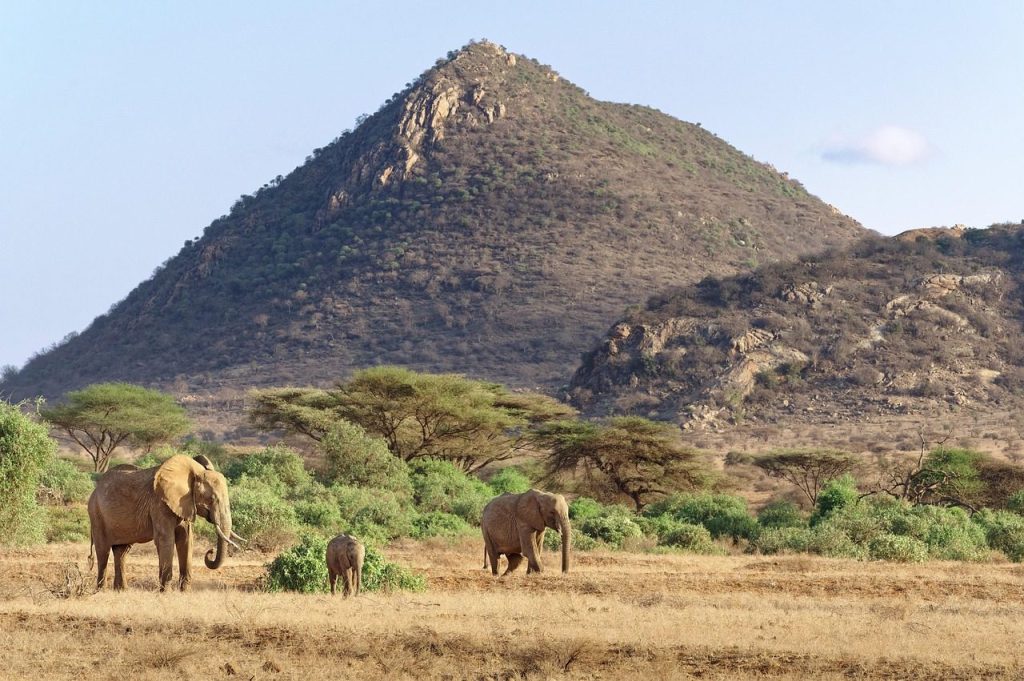
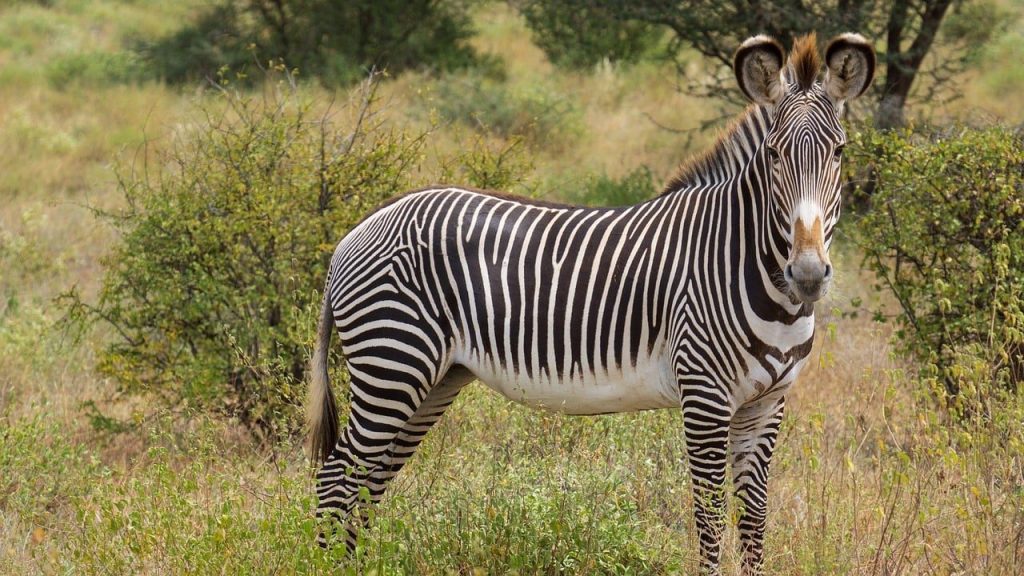
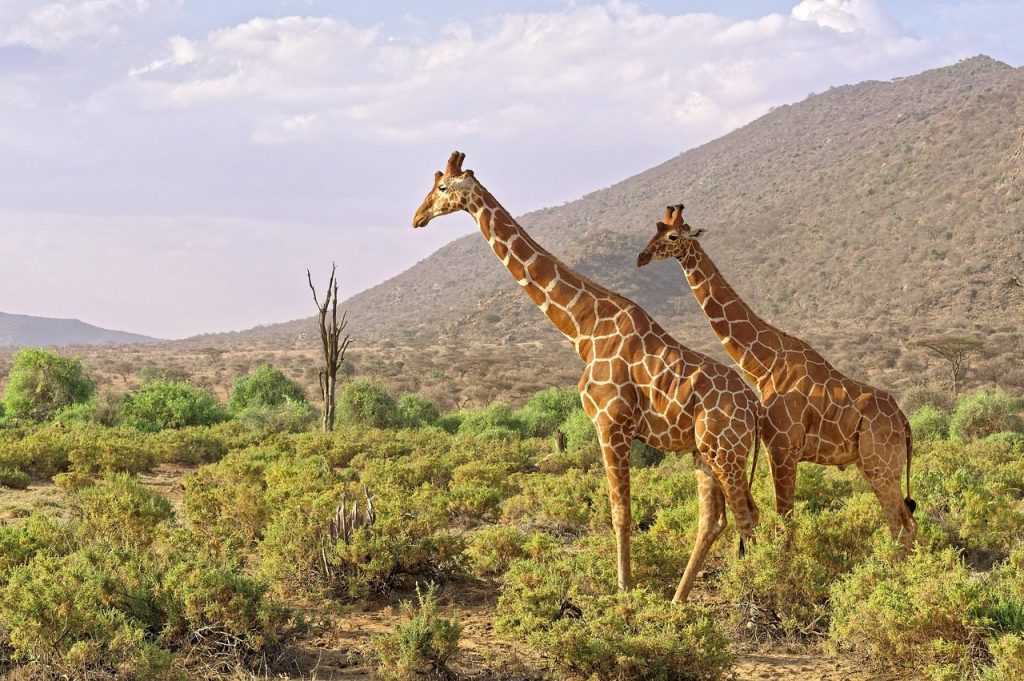
Samburu National Reserve in northern Kenya provides a distinctive safari experience, with dry landscapes, riverine vegetation, and wildlife adapted to semi-arid conditions.
Visitors may encounter Grevy’s zebra, reticulated giraffe, gerenuk, Somali ostrich, and Beisa oryx, often referred to collectively as some of the region’s northern specialist wildlife. Elephants, lions, leopards, and crocodiles may also be seen.
Samburu is an excellent choice for repeat visitors or travellers who want to explore beyond Kenya’s most familiar safari routes.
Tsavo East and Tsavo West National Parks
Tsavo East and Tsavo West together form one of Kenya’s largest protected wildlife regions. Tsavo East is known for its broad open landscapes and red-earth scenery, while Tsavo West features more varied terrain, rocky hills, volcanic formations, and areas of dense vegetation.
Both parks support elephants, lions, giraffes, zebras, buffaloes, and numerous other species. Sightings can vary because of the parks’ size and the distribution of wildlife.
These destinations are particularly suitable for longer road safaris and itineraries connecting Nairobi with the Kenyan coast.
Ol Pejeta Conservancy
Located in Laikipia County, Ol Pejeta Conservancy combines wildlife tourism with important conservation initiatives. It is widely recognised for its rhinoceros conservation work and provides opportunities to learn about wildlife protection.
Depending on current arrangements, visitors may have access to educational conservation experiences in addition to game drives. The conservancy is also home to elephants, lions, buffaloes, and other wildlife.
Ol Pejeta works well for travellers interested in conservation and can be combined with Samburu or Lake Nakuru on a multi-day safari.
Diani Beach: The Perfect Safari Extension
Diani Beach is a popular coastal destination south of Mombasa, known for its white sand, palm trees, and warm Indian Ocean waters.
After several days of early-morning game drives, travellers can unwind with beach walks, swimming where conditions permit, snorkelling, diving, and other coastal activities offered by local operators.
Combining a wildlife safari with a beach stay creates a varied holiday that balances adventure with relaxation.
4. How Many Days Do You Need for a Kenya Safari?
The length of your safari determines how many destinations you can explore without making the journey unnecessarily tiring.
3-Day Safari
A three-day safari is suitable for travellers with limited time. You could focus on the Maasai Mara or Amboseli, depending on your starting point and preferred wildlife experience.
A typical itinerary includes travelling to the destination, enjoying game drives, staying at a lodge or camp, and returning to Nairobi. Remember that driving time can reduce the time available for wildlife viewing.
4–5-Day Safari
A four- or five-day safari allows you to explore one destination in greater depth or combine two parks.
For example, you could visit Amboseli and Tsavo West, or combine the Maasai Mara with Lake Nakuru. The best combination depends on road conditions, accommodation availability, and how much time you want to spend on game drives.
6–8-Day Safari
A six- to eight-day itinerary provides more flexibility and allows travellers to explore several contrasting landscapes.
A popular combination is Nairobi, Lake Nakuru, Maasai Mara, and Amboseli, although the route and number of nights at each destination should be planned carefully to avoid excessive driving.
Another option is a northern Kenya safari covering Samburu and Ol Pejeta.
9–14-Day Safari
Travellers with more time can consider an extended Kenya circuit or a cross-border Kenya and Tanzania safari.
A longer itinerary may combine the Maasai Mara, Lake Nakuru, Amboseli, and selected Tsavo parks, with a beach extension at Diani. A Kenya–Tanzania adventure may include the Serengeti and Ngorongoro Conservation Area, subject to border arrangements, transport logistics, and the chosen route.
Important: It is usually better to spend two nights at a destination than to rush through several parks with little time for game drives. Build your itinerary around meaningful wildlife experiences rather than the number of places visited.
5. Choose Between a Private Safari and a Group-Joining Safari
One of the most important decisions when planning a Kenya safari in 2027 is choosing the right travel arrangement.
Private Safari
A private safari is organised for your own travel party and typically uses a dedicated vehicle and guide. It offers greater flexibility when planning departure times, game drives, meal stops, and accommodation.
Private safaris are suitable for couples, families, friends, photographers, and travellers who value personal attention. Depending on the operator and vehicle arrangement, the cost can be higher than joining a shared departure.
For the best experience, request a clear quotation showing the vehicle, accommodation, park fees, meals, activities, and any additional charges.
Group-Joining Safari
A group-joining safari allows individual travellers or small parties to share a vehicle and certain trip costs with other guests.
It can be a more economical option for solo travellers, couples, and visitors working within a limited budget. However, departure dates, accommodation, vehicle capacity, and daily schedules may be fixed.
Before booking, confirm whether the safari is guaranteed to depart, how many travellers will share the vehicle, which accommodation is included, and whether the itinerary involves any additional transfers.
Both options can provide rewarding wildlife experiences. The right choice depends on your budget, flexibility requirements, and preferred travel style.
6. How Much Does a Kenya Safari Cost in 2027?
Safari costs vary considerably according to the season, destinations, accommodation category, number of travellers, transport arrangements, and activities included.
A budget safari generally uses simpler accommodation and cost-sharing arrangements. Midrange trips may include comfortable lodges or tented camps, while luxury safaris can feature premium properties, exclusive locations, and additional services.
The following table provides a general planning framework rather than confirmed 2027 prices.
| Cost category | What affects the price? |
|---|---|
| Safari transport | Private or shared vehicle, route, distance, and duration |
| Accommodation | Budget camps, midrange lodges, or luxury tented camps |
| Park and conservancy fees | Destination, visitor category, age, and applicable rates |
| Meals | Meal plan and whether food is included in the accommodation |
| Activities | Balloon safaris, cultural visits, guided walks, and other excursions |
| Flights and transfers | Domestic flights, airport transfers, and regional connections |
| Personal expenses | Tips, drinks not included, souvenirs, and travel insurance |
How to Budget for Your Safari
Start by deciding how much you can spend on the entire holiday. Then divide your budget between transport, accommodation, park fees, meals, activities, and additional expenses.
Travelling with more people in a private vehicle may reduce the transport cost per person, although accommodation and park fees still depend on the individual arrangements. Group-joining trips may reduce shared transport expenses, but they can offer less flexibility.
Compare quotations on a like-for-like basis. A low headline price may exclude park fees, certain meals, transfers, or activities that another package includes.
Because official park fees and accommodation prices can change before 2027, confirm the applicable rates and booking conditions before making payments.
7. Selecting the Right Safari Accommodation
Your accommodation affects your comfort, budget, and the amount of time you spend travelling to wildlife-viewing areas.
Budget Accommodation
Budget camps and hotels are suitable for travellers who prioritise wildlife experiences and affordable travel. Facilities vary, so check whether the property provides private bathrooms, hot water, meals, electricity, and reliable access to the park.
Midrange Lodges and Tented Camps
Midrange accommodation offers a balance between comfort and cost. Depending on the property, you may enjoy en-suite rooms or tents, restaurant facilities, landscaped grounds, swimming pools, and convenient access to game-drive areas.
Luxury Safari Lodges and Camps
Luxury accommodation may feature spacious suites, premium tented rooms, personalised service, fine dining, and locations that provide excellent access to wildlife habitats.
When comparing properties, consider more than photographs. Check the exact location, included meals, transfer arrangements, cancellation policy, and whether the property is inside a national reserve, inside a conservancy, or outside the protected area.
For a 2027 safari during a busy season, reserve accommodation as early as practical, particularly if you have specific lodges in mind.
8. What Is Included in a Kenya Safari Package?
The contents of safari packages differ between tour operators. Always read the quotation carefully and request written clarification before confirming your booking.
A safari package may include:
- Transport in a safari vehicle, such as a 4×4 Land Cruiser with a pop-up roof, where specified.
- Services of a professional English-speaking driver-guide.
- Accommodation for the stated number of nights.
- Meals according to the selected meal plan.
- Game drives as outlined in the itinerary.
- Park or reserve entry fees, if explicitly included.
- Drinking water in the vehicle, where specified.
- Airport transfers, where agreed in the package.
Items that may be excluded include international flights, visas or entry authorisations where applicable, travel insurance, tips, alcoholic beverages, optional excursions, personal purchases, and activities not listed in the itinerary.
Do not assume that every package includes all park fees or every game drive. Ask the operator to identify the inclusions and exclusions in writing.
9. Travel Documents and Entry Requirements for Kenya
International visitors should review Kenya’s entry requirements before travelling in 2027. Depending on nationality, passport status, and the purpose of the visit, travellers may need an approved Electronic Travel Authorisation (eTA) or another applicable entry arrangement.
Check the official Kenyan government immigration or eTA website for the requirements that apply to your circumstances. Ensure your passport meets the validity requirements and that your travel dates and personal details match your application and booking documents.
Travellers visiting Kenya and Tanzania on the same holiday should also verify the entry requirements for each country. Requirements can differ, even when the countries are included in one safari itinerary.
Keep copies of your passport, travel authorisations, flight details, accommodation confirmations, and tour operator’s emergency contact information. Travel insurance is also worth considering, particularly for medical emergencies, trip interruptions, and unexpected transport changes.
10. What to Pack for Your Kenya Safari
Packing appropriately can make your safari more comfortable, especially when you have early starts and travel between different climates.
Consider bringing the following items:
- Lightweight, breathable clothing in neutral colours.
- A warm jacket or fleece for chilly mornings and evenings.
- Comfortable walking shoes or trainers.
- A wide-brimmed hat and sunglasses.
- Sunscreen and insect repellent.
- Binoculars for observing distant wildlife.
- A camera, spare batteries, and memory cards.
- Personal medication and basic toiletries.
- A reusable water bottle, where appropriate.
- A small day bag for game drives.
- Travel documents, insurance details, and emergency contacts.
A soft-sided bag may be preferable for some safari vehicles and small aircraft, especially when luggage space is limited. If your itinerary includes a domestic flight, confirm the airline’s baggage allowance before departure.
Avoid wearing camouflage clothing unless you have checked the relevant local rules. Neutral colours such as khaki, olive, beige, and brown are practical for game drives.
11. Health, Safety, and Responsible Wildlife Tourism
Preparation is essential for a safe and enjoyable safari. Before travelling, consult a qualified healthcare professional or travel clinic about vaccinations, malaria prevention, and any health precautions appropriate for your destinations and personal circumstances.
Follow your guide’s instructions during game drives and remain inside the vehicle unless your guide confirms that leaving it is safe and permitted. Wildlife can behave unpredictably, even when animals appear calm.
Do not feed wild animals, make unnecessary noise around them, or attempt to approach them for photographs. Respect park speed limits and maintain the distances directed by your guide.
Responsible tourism also means supporting conservation and local communities. Choose reputable operators, follow community visit guidelines, purchase locally made products where appropriate, and avoid activities that exploit wildlife.
When photographing people, ask for permission and respect their decision if they do not wish to be photographed. Cultural experiences should be arranged in a respectful way that benefits participating communities.
12. Practical Tips for Booking Your Kenya Safari in 2027
Planning early can help you secure your preferred itinerary and reduce unnecessary last-minute stress.
Book Accommodation and Transport Early
Popular destinations such as the Maasai Mara can experience high demand during peak periods. If you want a particular camp or lodge, check availability before finalising your flights.
Compare Multiple Quotations
Request quotations from reputable safari operators and compare the same travel dates, destinations, accommodation categories, group sizes, and inclusions. This makes it easier to identify meaningful differences between packages.
Check the Safari Vehicle
Ask whether your safari uses a shared minivan, a 4×4 Land Cruiser, or another vehicle type. Confirm whether the vehicle has a pop-up roof, how many guests will travel in it, and whether luggage capacity is suitable.
Confirm Your Game Drives
Review the daily itinerary to understand when game drives begin, how long they last, and whether optional activities require additional payments.
Understand Payment and Cancellation Terms
Ask for a written booking confirmation, deposit requirements, payment deadlines, and cancellation policy. Keep receipts for payments and use the company’s verified payment details.
Allow Enough Travel Time
Distances between parks can be considerable, and journey times depend on road conditions, traffic, and the exact route. Avoid arranging important flights immediately after a long road transfer unless sufficient contingency time has been allowed.
Consider Travel Insurance
A suitable travel insurance policy can help protect against certain unexpected expenses. Review its coverage limits, exclusions, medical provisions, and cancellation conditions before purchasing.
13. Sample 7-Day Kenya Safari Itinerary for 2027
If you have one week available, the following example combines several well-known wildlife destinations. It is a planning template, and the final route should be adjusted to suit accommodation availability, park fees, and your travel dates.
Day 1: Nairobi to Amboseli National Park
Meet your safari guide in Nairobi and travel to Amboseli. After checking into your accommodation and having lunch, enjoy an afternoon game drive, with opportunities to see elephants and other wildlife.
Day 2: Full Day in Amboseli
Enjoy morning and afternoon game drives across the park’s varied habitats. If weather conditions permit, you may see Mount Kilimanjaro in the distance. Spend another night in Amboseli.
Day 3: Amboseli to Lake Nakuru
Travel towards the Great Rift Valley and Lake Nakuru region. Depending on departure time and road conditions, arrive in time to settle into your accommodation and prepare for the following day’s activities.
Day 4: Lake Nakuru to the Maasai Mara
Enjoy a morning game drive in Lake Nakuru National Park, subject to the planned schedule, then continue towards the Maasai Mara. Arrive at your camp or lodge and relax after the journey.
Day 5: Full Day in the Maasai Mara
Spend the day exploring the reserve with morning and afternoon game drives, or arrange a full-day game drive with a packed lunch if permitted and suitable for your itinerary. Look for lions, elephants, giraffes, cheetahs, and other wildlife.
Day 6: Another Day in the Maasai Mara
Enjoy additional wildlife viewing, giving you more opportunities to explore different areas of the reserve. Optional activities may be available at an additional cost, depending on the operator and location.
Day 7: Return to Nairobi
After breakfast, depart for Nairobi. Your arrival time will depend on road conditions, stops, and the distance from your accommodation. If you have an international flight, plan a suitable time buffer or consider returning to Nairobi the previous evening.
Itinerary note: This route involves substantial driving and is only an example. Travellers who prefer a slower pace may choose two main destinations instead, while those with more time can add extra nights or include Tsavo and the coast.
Conclusion
A Kenya safari in 2027 can be an extraordinary holiday when it is planned around your interests, budget, travel dates, and preferred pace. From the wildlife-rich plains of the Maasai Mara to the elephant habitats of Amboseli and the distinctive landscapes of Samburu, Kenya offers a wide range of experiences for first-time visitors and experienced safari travellers alike.
The key to a successful trip is to choose suitable destinations, allow enough time for game drives, select accommodation that meets your needs, and understand exactly what your safari package includes. Booking early, confirming official fees and entry requirements, and working with a reputable tour operator can also make the planning process easier.
Whether you prefer a private safari in a 4×4 Land Cruiser, an affordable group-joining adventure, a luxury wildlife holiday, or a safari combined with a Diani Beach escape, Kenya offers options for different travel styles.
Start planning your 2027 adventure by choosing your travel dates, deciding how many days you have available, and selecting the destinations you most want to explore. With a well-designed itinerary, your Kenyan safari can become a memorable journey filled with wildlife encounters, spectacular scenery, and authentic experiences.
Frequently Asked Questions About Planning a Kenya Safari in 2027
1. What is the best month for a Kenya safari in 2027?
July to October is a popular period for wildlife safaris, particularly for travellers interested in the Great Migration in the Maasai Mara. January to March can also offer rewarding wildlife viewing. The best month depends on your preferred destinations, budget, and seasonal conditions.
2. How much does a Kenya safari cost in 2027?
The cost depends on the length of the trip, accommodation category, number of travellers, park fees, transport, and activities. Budget, midrange, and luxury safaris have different price levels. Request an itemised quotation based on your dates and travel requirements for an accurate estimate.
3. How many days are enough for a Kenya safari?
Three days can work for one main destination, while five to eight days allow more time to explore multiple parks. A trip of nine to fourteen days provides greater flexibility for a longer Kenya circuit or a Kenya–Tanzania safari.
4. Is a private safari better than a group-joining safari?
A private safari offers greater flexibility, a dedicated vehicle for your party, and more control over the schedule. A group-joining safari can be more affordable because travellers share certain costs. The better option depends on your budget, group size, and preferences.
5. Which national parks should I visit on my first Kenya safari?
The Maasai Mara is an excellent choice for a classic wildlife experience. Amboseli is famous for elephants and views of Mount Kilimanjaro, while Lake Nakuru offers varied wildlife and rhinoceros conservation areas. The right combination depends on the time available.