
Amazing Tarangire National Park Safari: Discover Tanzania’s Wildlife Paradise
A Tarangire National Park safari is one of the most rewarding wildlife experiences in Tanzania. Famous for its enormous elephant herds, ancient baobab trees and beautiful African landscapes, Tarangire National Park offers visitors an opportunity to discover the remarkable beauty of the African wilderness.
Tarangire National Park Safari Located in northern Tanzania, Tarangire is an important destination within the country’s famous Northern Safari Circuit. The park is particularly known for its seasonal wildlife concentrations, especially during the dry season when elephants, zebras, wildebeests and other animals gather around the Tarangire River.
Unlike some of Tanzania’s busier safari destinations, Tarangire National Park Safari offers a more relaxed wildlife experience, with beautiful scenery and excellent opportunities for photography.
Whether you are planning a private safari, a luxury African holiday, a family adventure or an affordable group-joining safari, Tarangire deserves a place on your Tanzania travel itinerary.
At Serval Tours and Travel, we organise memorable Tarangire National Park Safari experiences, helping travellers explore the country’s most beautiful wildlife destinations through carefully planned itineraries.
1. Where Is Tarangire National Park Safari Located?
Tarangire National Park safari is situated in northern Tanzania, approximately 118 kilometres southwest of Arusha, in the Manyara Region.
The Tarangire National Park Safaricovers approximately 2,850 square kilometres and is named after the Tarangire River, which flows through the park and provides an important water source for wildlife.
Tarangire forms part of the larger Maasai Steppe ecosystem, which extends beyond the park boundaries and supports seasonal wildlife movements.
The park features several different natural habitats, including:
- Open savannah grasslands.
- Ancient baobab woodlands.
- Acacia forests.
- Seasonal swamps.
- River valleys.
- Rocky hills and ridges.
These different environments support a wide variety of wildlife and bird species.
Its location makes it convenient to combine with other northern Tanzania destinations, including Serengeti National Park, Ngorongoro Conservation Area and Lake Manyara National Park.
Explore our Tanzania Safari Packages to discover different ways to experience northern Tanzania.
2. What Makes Tarangire National Park safari Famous?
Tarangire National Park Safari is one of Tanzania’s most distinctive wildlife destinations. Its impressive elephant populations, enormous baobab trees and seasonal wildlife movements make it particularly attractive to safari travellers.
Large Elephant Herds
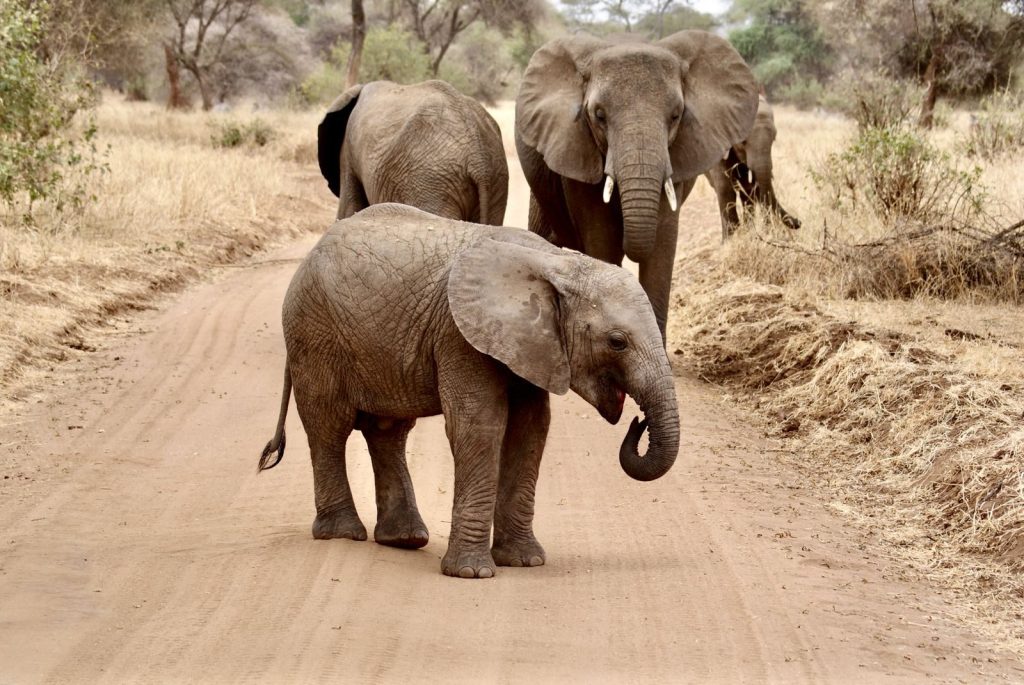
Tarangire is widely recognised for its large African elephant populations.
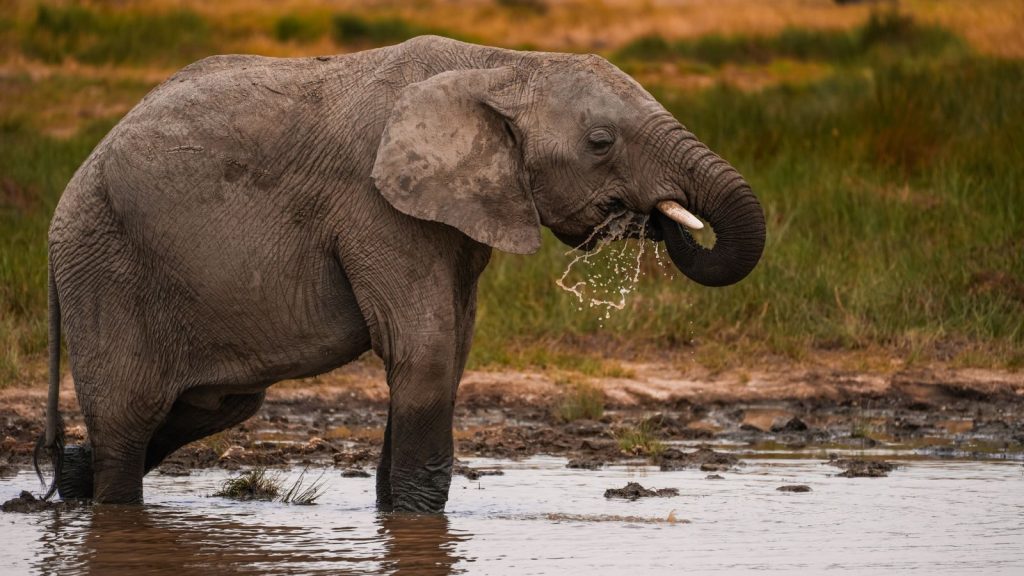
During the dry season, elephants move towards permanent water sources, particularly the Tarangire River. Visitors may encounter large family groups feeding, drinking and moving together through the savannah.
Watching these magnificent animals interact in their natural environment is one of the highlights of visiting the park.
Ancient Baobab Trees
The ancient baobab trees are another defining feature of Tarangire.
These enormous trees are recognised by their thick trunks and distinctive branches, creating some of the most beautiful landscapes in Tanzania.
They provide excellent photography opportunities, particularly during sunrise and sunset when the golden light creates dramatic scenery.
Seasonal Wildlife Movements
Tarangire National Park Safari forms part of a larger ecosystem that extends beyond its official boundaries.
During the dry months, animals from surrounding areas move towards available water sources within the park.
This seasonal movement creates impressive concentrations of elephants, zebras, wildebeests, buffaloes and other wildlife.
The period between June and October is particularly rewarding for visitors interested in concentrated wildlife viewing.
3. Wildlife to See During a Tarangire National Park Safari
One of the main reasons travellers visit Tarangire is its remarkable wildlife diversity.
Tarangire National Park Safari supports numerous mammals, predators and bird species across its different habitats.
African Elephants
Elephants are the most iconic animals in Tarangire.
Visitors frequently encounter large herds moving across the savannah, feeding on vegetation or gathering around water sources.
The park is especially rewarding for elephant photography because the animals can often be seen against the beautiful baobab landscape.
Lions
Lions are among the major predators found in Tarangire.
They can sometimes be spotted resting beneath trees, walking through the grasslands or searching for prey.
Early morning and afternoon game drives provide opportunities to search for these magnificent predators.
Leopards
Leopards inhabit the park’s woodland areas, although they are generally more difficult to spot because of their secretive behaviour.
An experienced safari guide can help identify suitable habitats and signs of leopard activity.
Cheetahs
Cheetahs also occur in Tarangire, particularly in open habitats where they can use their speed to hunt.
Although sightings are not guaranteed, encountering a cheetah is always an exciting safari experience.
African Buffaloes
Buffaloes are commonly found in different parts of the park.
They can be spotted grazing in open grasslands and gathering around water sources, sometimes in impressive herds.
Giraffes
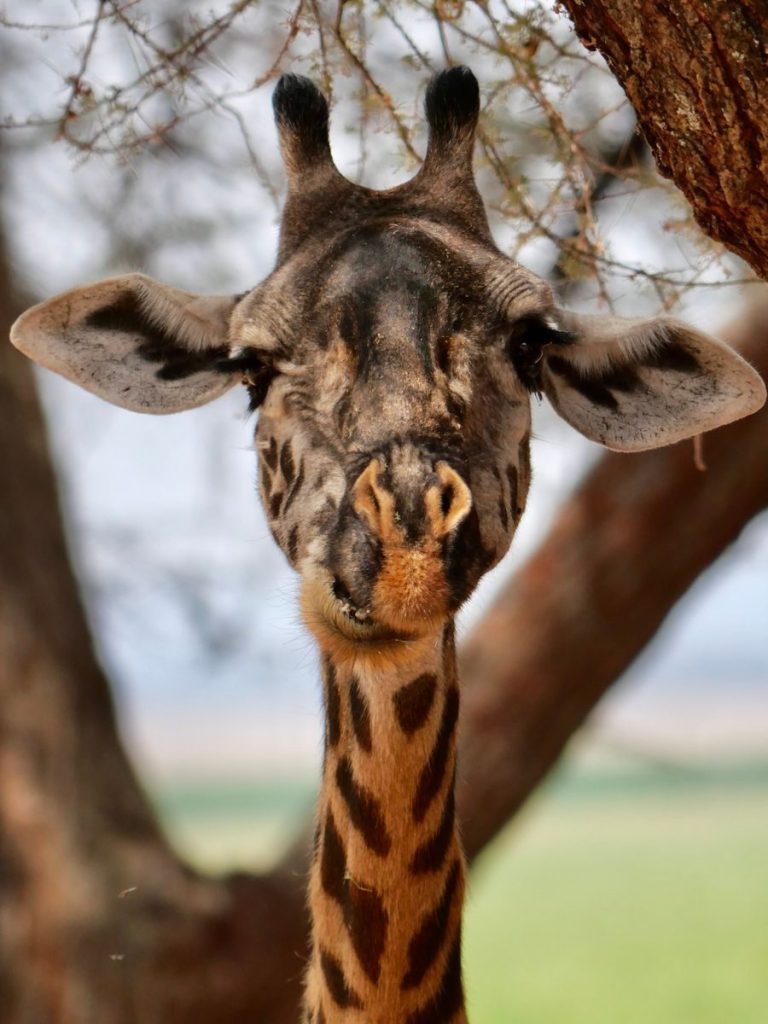
Giraffes are another beautiful sight during a Tarangire safari.
They move gracefully through the acacia woodlands, feeding on leaves from tall trees.
Zebras and Wildebeests
Zebras and wildebeests are important members of the park’s wildlife community.
During the dry season, they may gather around the river and other available water sources.
Other Wildlife Species
Additional animals visitors may encounter include:
- Impalas.
- Grant’s gazelles.
- Elands.
- Waterbucks.
- Warthogs.
- Baboons.
- Hyenas.
- Jackals.
- Dik-diks.
- Banded mongooses.
Although Tarangire National Park Safari is home to several iconic African animals, it is not a reliable destination for seeing all the Big Five. Black rhinoceroses are not typical sightings here.
4. Birdwatching in Tarangire National Park safari
Tarangire is also an excellent destination for birdwatching.
Its diverse habitats support an impressive variety of resident and migratory bird species, making it particularly interesting for bird enthusiasts and photographers.
Some notable species include:
- Yellow-collared lovebirds.
- Kori bustards.
- African fish eagles.
- Secretary birds.
- Ostriches.
- Lilac-breasted rollers.
- Hornbills.
- Martial eagles.
- Southern ground hornbills.
- Superb starlings.
- Vultures.
The seasonal wetlands and swamps provide important habitats for waterbirds, while the woodlands and grasslands attract numerous other species.
Birdwatching can be enjoyed throughout the year, although the green season is particularly attractive for observing different bird species.
5. Best Time to Visit Tarangire National Park safari
Tarangire National Park Safari is a year-round safari destination, but the wildlife-viewing experience changes depending on the season.
The dry season is particularly popular because animals gather around permanent water sources. The green season, on the other hand, offers beautiful scenery, birdwatching and a quieter safari atmosphere.
Dry Season: June to October
Best for: Elephant sightings and concentrated wildlife viewing.
The dry season is generally considered the best period to visit Tarangire.
As water sources become limited in surrounding areas, animals move towards the Tarangire River and other permanent water sources.
Visitors may enjoy:
- Large elephant herds.
- Excellent wildlife photography.
- Increased animal concentrations around the river.
- Better visibility in areas with reduced vegetation.
- Generally favourable game-drive conditions.
July, August, September and October are particularly popular months.
Short Rainy Season: November to December
Best for: Green scenery and birdwatching.
The short rains bring fresh vegetation and beautiful green landscapes.
Wildlife may become more dispersed as water becomes available across the wider ecosystem.
Visitors can still enjoy rewarding game drives, birdwatching and beautiful photographic opportunities.
Green Season: January to March
Best for: Photography and quieter safari experiences.
January to March offers attractive scenery and excellent opportunities for birdwatching.
Travellers can also combine Tarangire with the southern Serengeti and Ndutu region to experience the wildebeest calving season.
This combination creates an exciting northern Tanzania safari adventure.
Long Rainy Season: April to May
Best for: Lush landscapes and fewer crowds.
April and May generally experience heavier rainfall.
The park becomes greener, creating beautiful scenery for photography.
However, some roads may become muddy, and wildlife can be more widely dispersed.
Travellers visiting during this period should plan their safari with an experienced tour operator.
6. Top Attractions to Explore in Tarangire National Park safari
Beyond its famous elephant herds and baobab trees, Tarangire National Park Safari has several natural attractions that make every safari interesting.
Tarangire River
The Tarangire River is one of the park’s most important natural features.
It provides an essential source of water for wildlife, especially during the dry season.
Visitors may see elephants, buffaloes, zebras, antelopes and other animals gathering along the riverbanks.
Predators also inhabit the surrounding areas, creating opportunities for exciting wildlife encounters.
Silale Swamp
Silale Swamp is an important wetland within the park.
It supports numerous wildlife and bird species and provides an important water source during dry periods.
Visitors may encounter elephants, buffaloes and different bird species around the swamp.
Baobab Woodlands
The baobab woodlands create some of the most recognisable scenery in Tarangire.
These impressive trees are scattered throughout the park and provide excellent photography opportunities.
Their unusual shapes and enormous trunks make them one of the defining features of the Tarangire landscape.
Seasonal Wetlands
The park’s seasonal wetlands provide important habitats for wildlife and birds.
Depending on rainfall and water levels, these areas attract different animal species and create beautiful natural scenery.
7. Safari Activities in Tarangire National Park safari
A visit to Tarangire National Park Safari offers several activities that allow visitors to experience the park’s natural beauty.
Game Drives
Game drives are the main safari activity in Tarangire.
Visitors explore different sections of the park in specially equipped safari vehicles while searching for elephants, lions, giraffes, zebras, buffaloes and other wildlife.
Morning and afternoon game drives offer different opportunities for wildlife viewing and photography.
Birdwatching
Birdwatching is popular around the park’s wetlands, riverbanks and woodland habitats.
Visitors can observe different resident and migratory birds with the help of experienced guides.
Wildlife Photography
Tarangire is an excellent destination for photographers.
The combination of elephant herds, ancient baobab trees, beautiful sunsets and open savannah landscapes provides impressive photographic opportunities.
Walking Safaris
Walking safaris may be available through authorised operators and designated areas, depending on park regulations and arrangements.
These experiences allow visitors to learn more about animal tracks, plants, insects and the smaller details of the African wilderness.
Night Game Drives
Night game drives are generally organised in suitable surrounding concession or community areas rather than as a standard activity inside the national park.
They provide opportunities to observe nocturnal wildlife such as genets, bushbabies and other animals.
8. Accommodation Options Around Tarangire National Park safari
Tarangire National Park Safari offers a range of accommodation options, from luxury safari lodges to comfortable midrange properties and budget camps.
Your accommodation choice will depend on your budget, travel dates and preferred safari experience.
Luxury Accommodation
Luxury accommodation is ideal for travellers looking for exceptional comfort, personalised hospitality and beautiful wilderness surroundings.
Some properties to consider include:
- Tarangire Treetops.
- Sanctuary Swala.
- Oliver’s Camp.
- Nimali Tarangire.
- Chem Chem Lodge.
These properties are suitable for honeymooners, luxury travellers and guests seeking an exclusive safari experience.
Midrange Accommodation
Midrange lodges and tented camps offer a balance between comfort, service and affordability.
Some options include:
- Tarangire Safari Lodge.
- Sangaiwe Tented Lodge.
- Maramboi Tented Lodge.
- Tarangire Simba Lodge.
These properties provide convenient accommodation for travellers exploring Tarangire and nearby wildlife destinations.
Budget Accommodation
Budget-conscious travellers can consider campsites and affordable accommodation around Tarangire and nearby areas.
Staying outside the park can sometimes provide more economical options.
However, travellers should consider the distance to the park entrance when selecting accommodation.
It is advisable to confirm accommodation availability and prices before travelling, especially during the high season.
9. How to Get to Tarangire National Park safari
Tarangire National Park Safari is accessible by road and air, depending on your travel arrangements and starting location.
By Road from Arusha
Most safari travellers begin their journey in Arusha, which is the main gateway to Tanzania’s Northern Safari Circuit.
The journey to Tarangire National Park Safari takes approximately two to three hours, depending on the entrance gate, starting point and road conditions.
The drive offers beautiful views of the Tanzanian countryside.
Most safari operators use specially equipped 4×4 Toyota Land Cruisers with pop-up roofs, providing comfortable travel and excellent wildlife visibility.
By Air
Visitors can also arrange domestic or charter flights to suitable airstrips serving the Tarangire region.
A safari vehicle transfer can then be organised to the accommodation or park area.
Flying is a convenient option for travellers with limited time or those planning luxury safari experiences.
From Other Tanzania Safari Destinations
Tarangire National Park Safari is commonly combined with other destinations in northern Tanzania.
Popular combinations include:
- Tarangire and Serengeti National Park.
- Tarangire and Ngorongoro Conservation Area.
- Tarangire and Lake Manyara National Park.
- Tarangire, Serengeti and Ngorongoro.
Explore our Tanzania safari packages to discover different combinations.
10. Recommended Tarangire National Park Safari Packages
The best way to experience Tarangire is by including it in a carefully planned Tanzania safari.
At Serval Tours and Travel, we offer different safari packages that combine Tarangire with other remarkable destinations.
1. One-Day Private Tarangire National Park Safari
Ideal for travellers with limited time who want to experience Tarangire in a single day.
Depart from Arusha early in the morning and travel towards Tarangire National Park.
Upon arrival, enjoy a game drive exploring the park’s open plains, river valleys and baobab woodlands.
Look out for elephants, lions, giraffes, zebras and other wildlife.
Enjoy a picnic lunch at a designated picnic site before continuing with your afternoon game drive.
Later, begin the return journey to Arusha.
Explore our Private Tarangire National Park Day Trip.
2. Four Days Tarangire, Serengeti and Ngorongoro Group Joining Safari
4 Days and 3 Nights
Tarangire, Serengeti and Ngorongoro.
This Tarangire National Park Safari is ideal for travellers looking for an affordable way to explore three of Tanzania’s most famous wildlife destinations.
Day 1: Arusha to Tarangire National Park
Depart from Arusha and enjoy a game drive in Tarangire, exploring its famous elephant habitats and baobab landscapes.
Day 2: Tarangire to Serengeti National Park
Travel towards Serengeti through the beautiful Ngorongoro highlands and enjoy wildlife viewing along the way.
Day 3: Full-Day Serengeti Safari
Explore the Serengeti plains in search of lions, cheetahs, elephants, leopards, zebras and wildebeests.
Day 4: Ngorongoro Crater and Departure
Enjoy a crater game drive before returning towards Arusha, according to the itinerary’s travel arrangements.
View our 4 Days Tarangire, Serengeti and Ngorongoro Group Joining Safari.
3. Six Days Tanzania Safari: Tarangire, Lake Manyara, Serengeti and Ngorongoro
6 Days and 5 Nights
Tarangire, Lake Manyara, Serengeti and Ngorongoro.
This private safari is ideal for travellers who want to explore several of Tanzania’s most famous wildlife destinations in one journey.
The experience includes:
- Elephant viewing in Tarangire.
- Wildlife and scenery in Lake Manyara.
- Big Five opportunities in Serengeti.
- A spectacular crater game drive in Ngorongoro.
Discover our 6 Days Tanzania Safari: Serengeti and Ngorongoro.
4. Eight Days Tanzania Group Joining Adventure
8 Days and 7 Nights
Arusha, Lake Manyara, Ngorongoro, Serengeti and Tarangire.
This extended safari is suitable for travellers who want to explore northern Tanzania at a more relaxed pace while sharing the experience with fellow adventurers.
It offers opportunities to discover different landscapes, encounter diverse wildlife and experience the highlights of Tanzania’s Northern Safari Circuit.
Browse our Tanzania Safari Packages for more details and available options.
11. What to Pack for a Tarangire National Park Safari
Packing the right items will help you enjoy a comfortable and memorable safari.
Clothing
- Lightweight safari trousers.
- Comfortable shirts.
- Neutral-coloured clothing.
- A warm jacket for early mornings.
- Comfortable walking shoes.
- A hat or safari cap.
Personal Essentials
- Sunscreen.
- Sunglasses.
- Insect repellent.
- Personal toiletries.
- Reusable water bottle.
- Personal medication.
Photography Equipment
- Camera.
- Binoculars.
- Extra camera batteries.
- Memory cards.
- Smartphone.
Neutral colours such as khaki, brown and olive green are practical for safari activities.
It is also advisable to carry a light jacket because mornings and evenings can be cooler than expected.
12. Important Tips for Planning a Tarangire National Park Safari
Before travelling to Tarangire, consider these useful safari tips:
- Book with an experienced tour operator: Choose a company familiar with Tanzania’s Northern Safari Circuit.
- Visit during the dry season for concentrated wildlife viewing: June to October is particularly rewarding for elephant sightings around water sources.
- Choose a suitable safari vehicle: A 4×4 Land Cruiser with a pop-up roof is ideal for wildlife viewing and photography.
- Carry binoculars: They help you observe birds and animals at a distance.
- Start game drives early: Morning hours can provide excellent wildlife-viewing opportunities.
- Respect wildlife: Maintain appropriate distances and follow your guide’s instructions.
- Book accommodation in advance: Popular lodges can become fully booked during peak travel periods.
- Check park fees before travelling: Conservation charges and government fees can change.
- Bring enough camera storage: Tarangire’s elephants and baobab landscapes provide plenty of photography opportunities.
- Combine Tarangire with other parks: Adding Serengeti or Ngorongoro creates a more complete Tanzania safari experience.
For official information about park entry requirements and conservation charges, visit the Tanzania National Parks Authority (TANAPA).
13. Why Choose Tarangire for Your Next Tanzania Safari?
Tarangire is an excellent destination for travellers who want to experience a different side of Tanzania’s wildlife.
Its remarkable elephant populations, ancient baobab trees, seasonal wetlands and diverse wildlife make it one of the most memorable parks in the country.
The park is particularly suitable for:
- First-time African safari travellers.
- Families and couples.
- Wildlife photographers.
- Birdwatching enthusiasts.
- Luxury safari travellers.
- Private safari guests.
- Group-joining safari travellers.
Whether you have one day or an entire week, Tarangire can be included in a safari itinerary designed around your interests and budget.
You can also explore our complete collection of safari tours and packages to find an adventure that suits your travel plans.
Conclusion: Discover Tarangire with Serval Tours and Travel
A Tarangire National Park safari is an unforgettable opportunity to experience the natural beauty of Tanzania.
From watching enormous elephant herds moving through the savannah to photographing ancient baobab trees and exploring beautiful river landscapes, every part of the journey offers something special.
The park’s wildlife diversity, peaceful atmosphere and beautiful scenery make it an essential destination for anyone planning a Northern Tanzania safari.
Combining Tarangire with Serengeti National Park and Ngorongoro Conservation Area creates an even more rewarding African wildlife adventure.
At Serval Tours and Travel, we organise private and group-joining Tanzania safaris designed around your travel dates, budget and interests.
Whether you are looking for a one-day Tarangire excursion or a multi-day Northern Circuit safari, our team can help you plan an unforgettable experience.
Start planning your Tanzania safari today with Serval Tours and Travel and discover the incredible beauty of Tarangire National Park.
Frequently Asked Questions About Tarangire National Park Safari
1. What is Tarangire National Park famous for?
Tarangire is famous for its large elephant populations, ancient baobab trees, seasonal wildlife concentrations and diverse bird species.
2. Where is Tarangire National Park located?
Tarangire is located in northern Tanzania, approximately 118 kilometres southwest of Arusha, in the Manyara Region.
3. What is the best time to visit Tarangire National Park?
June to October is generally the best period for concentrated wildlife viewing because many animals gather around the Tarangire River and other permanent water sources
4. Can you see the Big Five in Tarangire?
Tarangire is home to elephants, lions, leopards and buffaloes. Black rhinoceroses are not typical sightings in the park, so visitors should not expect to see all five Big Five animals here.
5. How many days do you need in Tarangire?
One full day is sufficient for a rewarding game drive. However, two or three days allow visitors to explore different parts of the park at a more relaxed pace.
6. Is Tarangire National Park worth visiting?
Absolutely. Tarangire is one of Tanzania’s most beautiful wildlife destinations, offering excellent elephant sightings, beautiful landscapes and diverse wildlife.
7. Can Tarangire be combined with Serengeti?
Yes. Tarangire is commonly combined with Serengeti and Ngorongoro in a multi-day Tanzania Northern Circuit safari
8. What animals can you see in Tarangire?
Visitors may see elephants, lions, leopards, cheetahs, giraffes, zebras, wildebeests, buffaloes, antelopes, hyenas and many bird species.
9. What vehicle is used for Tarangire safaris?
Most safari operators use specially equipped 4×4 Toyota Land Cruisers with pop-up roofs, providing comfortable travel and excellent visibility during game drives.
10. Is Tarangire suitable for families?
Yes. Families can enjoy wildlife viewing, photography and educational safari experiences. It is advisable to select suitable accommodation and an itinerary that considers children’s ages and travel requirements.
11. Are there accommodation facilities inside Tarangire National Park?
Yes. The park and surrounding areas offer several accommodation options, including lodges, tented camps and campsites. Availability and location depend on the property.
12. How much does a Tarangire safari cost?
The cost depends on the number of travellers, travel season, accommodation category, vehicle arrangements, park fees and safari duration. Contact Serval Tours and Travel for a customised quotation.