
Ngorongoro National Park Safari
Tanzania is home to some of Africa’s most spectacular wildlife destinations, and Ngorongoro National Park Safari is undoubtedly one of its greatest natural treasures. Famous for its breathtaking volcanic crater, extraordinary wildlife population and beautiful landscapes, the Ngorongoro Conservation Area offers an unforgettable African safari experience.
An Ngorongoro National Park safari provides visitors with an opportunity to explore one of the most remarkable wildlife destinations in the world. From spotting lions resting in the grasslands to watching elephants move across the crater floor, every moment offers something special.
Located in northern Tanzania, Ngorongoro is an essential destination for travellers exploring the country’s famous northern safari circuit. It is commonly combined with other incredible destinations such as Serengeti National Park, Lake Manyara National Park and Tarangire National Park.
Whether you are planning a luxury African safari, a private wildlife adventure or a group-joining safari, Ngorongoro National Park Safari promises exceptional wildlife encounters, beautiful scenery and unforgettable memories.
At Serval Tours and Travel, we help travellers discover the beauty of Tanzania through carefully planned safari experiences designed to bring them closer to nature.
1. Where Is Ngorongoro Conservation Area Located?
The Ngorongoro Conservation Area is situated in northern Tanzania, approximately 180 kilometres west of Arusha. It forms part of Tanzania’s famous northern safari circuit and is located between Lake Manyara National Park and the Serengeti ecosystem.
The conservation area covers approximately 8,094 square kilometres and is recognised as a UNESCO World Heritage Site because of its outstanding natural beauty, biodiversity and cultural importance.
Ngorongoro is particularly famous for its enormous volcanic crater, which attracts visitors from different parts of the world.
Unlike conventional national parks, the Ngorongoro Conservation Area is a multiple-land-use area where wildlife conservation exists alongside the traditional pastoral activities of the Maasai people.
Its remarkable combination of wildlife, natural landscapes, archaeological discoveries and cultural heritage makes it one of Tanzania’s most fascinating destinations.
2. Discover the Famous Ngorongoro Crater
The Ngorongoro Crater is the main attraction within the conservation area and one of Africa’s most spectacular natural wonders.
It was formed millions of years ago when a massive volcanic mountain collapsed following a major volcanic eruption. The result was an enormous caldera surrounded by steep crater walls.
The crater measures approximately 20 kilometres across, reaches around 600 metres in depth and covers approximately 300 square kilometres.
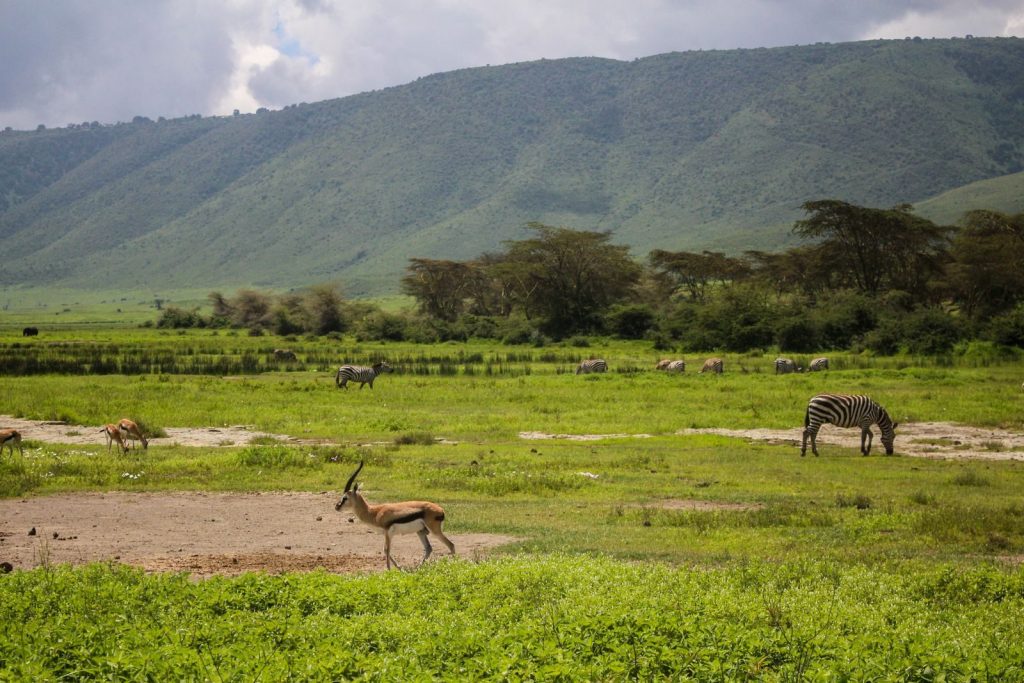
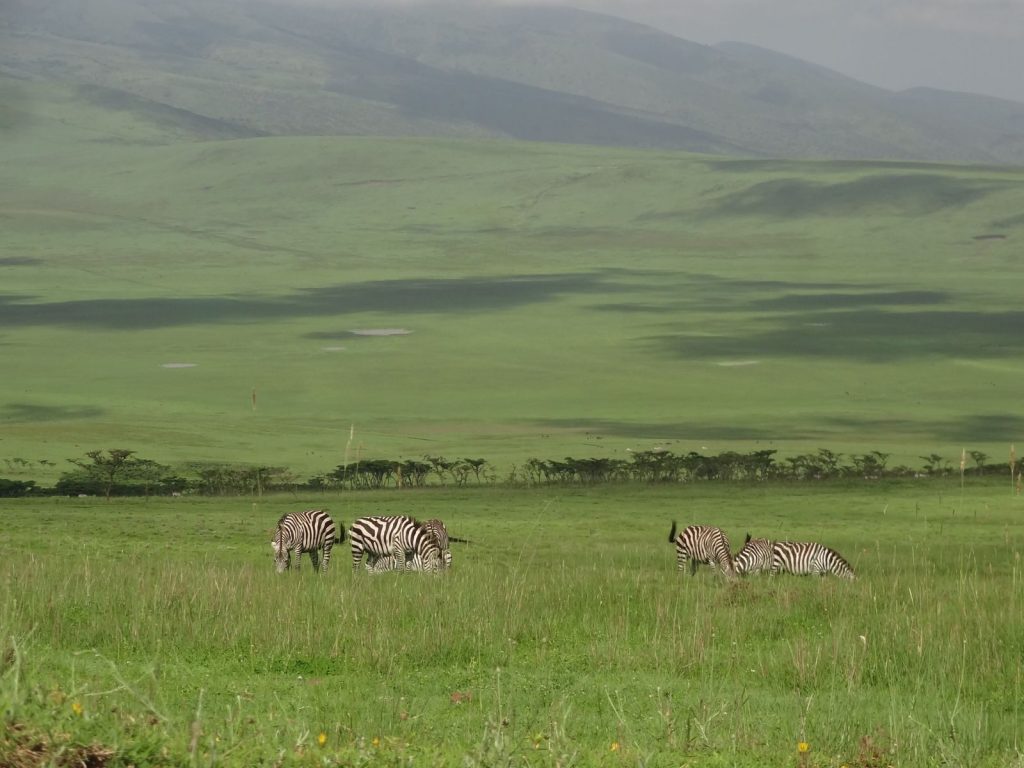
Today, the crater floor supports an incredible variety of wildlife, making it one of the best places in Tanzania to enjoy a rewarding game-viewing experience.
Visitors descend from the crater rim into the crater floor using designated access roads. Once inside, they explore different habitats, including:
- Open grasslands.
- Seasonal swamps.
- Acacia woodlands.
- Freshwater pools.
- Lake Magadi, a shallow alkaline lake.
These different habitats support numerous animal species and provide excellent opportunities for wildlife photography.
The breathtaking views from the crater rim are equally impressive, offering visitors a panoramic perspective of this extraordinary geological formation.
3. Wildlife to See During an Ngorongoro National Park Safari
One of the biggest reasons travellers visit Ngorongoro is its remarkable concentration of wildlife.
The crater floor provides a relatively compact wildlife-viewing environment where visitors can encounter several iconic African animals during a single game drive.
The Big Five Animals
Ngorongoro National Park Safari is among Tanzania’s most rewarding destinations for travellers hoping to see the famous Big Five.
Lions
Lions are among the most commonly spotted predators in the crater. Visitors may see them resting in open grasslands, walking through the plains or hunting smaller animals.
African Elephants
Elephants are another impressive sight in Ngorongoro National Park Safari. Some of the area’s elephants are large-tusked bulls, making encounters particularly memorable.
Black Rhinoceros
Ngorongoro National Park Safari is one of the important conservation areas for the endangered black rhinoceros. Although sightings are never guaranteed, visitors have an opportunity to see this rare animal in its natural habitat.
African Buffaloes
Large herds of buffaloes can often be spotted grazing across the crater floor. They are an important part of the area’s wildlife ecosystem.
Leopards
Leopards inhabit the conservation area, although they are generally more difficult to spot because of their secretive nature and preference for wooded habitats.
Other Wildlife Species
Beyond the Big Five, visitors can encounter many other fascinating animals, including:
- Zebras.
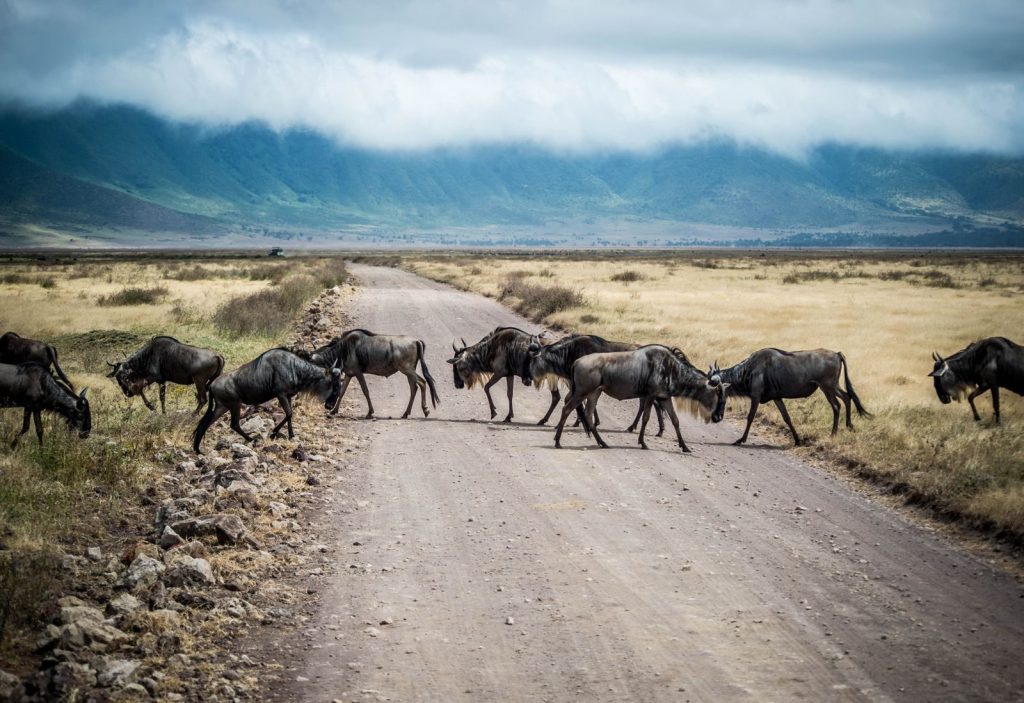
- Wildebeests.
- Spotted hyenas.
- Thomson’s gazelles.
- Grant’s gazelles.
- Hippos.
- Warthogs.
- Jackals.
- Elands.
- Ostriches.
The diversity of wildlife makes Ngorongoro an excellent destination for both first-time safari travellers and experienced wildlife enthusiasts.
4. Birdwatching in Ngorongoro Conservation Area
Ngorongoro National Park Safari is not only famous for its large mammals but also offers excellent birdwatching opportunities.
The conservation area supports hundreds of bird species across its different habitats.
Some of the birds visitors may encounter include:
- Greater flamingos.
- Lesser flamingos.
- African fish eagles.
- Kori bustards.
- Secretary birds.
- Crowned cranes.
- Ostriches.
- Superb starlings.
Lake Magadi, located within the crater, is particularly interesting for birdwatchers because flamingos and other waterbirds may gather around its alkaline waters.
The surrounding forests and grasslands also provide habitats for numerous resident and migratory bird species.
5. Best Time to Visit Ngorongoro National Park Safari
Ngorongoro National Park Safari is a year-round safari destination. However, different seasons offer different experiences depending on weather conditions, vegetation and wildlife activity.
Dry Season: June to October
The dry season is generally one of the most popular periods for visiting Ngorongoro National Park Safari.
During these months:
- Vegetation becomes shorter in many areas.
- Wildlife is often easier to spot.
- Roads are generally more favourable for game drives.
- Clearer weather provides excellent photography opportunities.
July, August and September are particularly popular months for international safari travellers.
Short Rainy Season: November to December
The short rains bring fresh vegetation and greener landscapes.
This period offers beautiful scenery, excellent photography conditions and opportunities to enjoy a quieter safari experience compared with the busiest months.
Rainfall can occur, but it does not necessarily prevent visitors from enjoying game drives.
Green Season: January to March
January to March can be a wonderful time to visit Ngorongoro.
The landscape is often green and beautiful, while wildlife viewing remains rewarding.
This period also coincides with the broader southern Serengeti and Ndutu calving season, when large numbers of wildebeest gather to give birth.
Travellers combining Ngorongoro with Ndutu may enjoy particularly memorable wildlife experiences.
Long Rainy Season: April to May
April and May generally experience heavier rainfall.
The scenery becomes lush and green, although some roads may become muddy and travel conditions can be more challenging.
Travellers visiting during this period may benefit from fewer crowds and potentially attractive accommodation offers.
6. Top Attractions to Explore Around Ngorongoro National Park Safari
Although the crater is the main highlight, the wider conservation area has several other attractions worth exploring.
Olduvai Gorge
Olduvai Gorge is one of the most important archaeological sites in the world.
It is famous for discoveries that have helped scientists understand human evolution and early human history.
Visitors can explore the site’s museum and learn about important archaeological discoveries made in the surrounding region.
Empakaai Crater
Empakaai Crater is another beautiful volcanic feature within the Ngorongoro Conservation Area.
It is known for its scenic crater lake, forested slopes and beautiful natural surroundings.
Walking experiences in the area offer visitors a different perspective of Tanzania’s highland landscapes. These activities must be arranged according to conservation authority requirements and applicable guide regulations.
Olmoti Crater
Olmoti Crater offers a beautiful highland environment characterised by grasslands, forests and scenic walking routes.
It is an interesting destination for travellers who want to experience more than conventional vehicle-based game drives.
Lake Magadi
Lake Magadi is a shallow alkaline lake situated within Ngorongoro Crater.
Depending on water conditions and the season, visitors may see flamingos and other waterbirds around the lake.
The lake also provides beautiful photographic opportunities against the surrounding crater landscape.
7. Maasai Culture and Heritage in Ngorongoro National Park Safari
One of the unique features of Ngorongoro National Park Safari is the coexistence of wildlife conservation and traditional Maasai pastoral communities.
The Maasai are recognised for their distinctive cultural traditions, colourful clothing, traditional homesteads and strong connection to livestock keeping.
Visitors may have opportunities to learn about Maasai traditions through properly organised cultural visits.
These experiences can include:
- Learning about traditional Maasai lifestyles.
- Discovering traditional beadwork and crafts.
- Understanding the importance of cattle in Maasai culture.
- Learning about traditional homes known as manyattas.
- Understanding the relationship between local communities and wildlife conservation.
Responsible cultural tourism is important. Visitors should respect local customs, seek permission before taking photographs and support authentic community-led experiences.
8. Accommodation Options Around Ngorongoro National Park Safari
Ngorongoro National Park Safari offers a variety of accommodation options for travellers with different budgets and preferences.
Whether you are looking for a luxurious safari lodge or comfortable midrange accommodation, there are several options around the crater and the wider conservation area.
Luxury Accommodation
Ngorongoro National Park Safari Luxury properties provide exceptional comfort, beautiful views and high-quality hospitality.
Some well-known options include:
- Ngorongoro Crater Lodge.
- The Highlands Ngorongoro.
- Lemala Ngorongoro Tented Camp.
- Ngorongoro Serena Safari Lodge.
These properties are suitable for honeymooners, luxury travellers and visitors seeking an exclusive safari experience.
Midrange Accommodation
Midrange accommodation offers a balance between comfort, service and affordability.
Travellers can consider options such as:
- Ngorongoro Wildlife Lodge.
- Acacia Farm Lodge.
- Karatu Simba Lodge.
- Farm of Dreams Lodge.
These properties provide convenient bases for exploring Ngorongoro and nearby destinations.
Budget Accommodation
Budget travellers can also find comfortable guesthouses, camps and lodges, particularly around Karatu.
Staying in Karatu can be a practical option for visitors looking for more affordable accommodation while maintaining convenient access to the Ngorongoro Conservation Area.
Accommodation availability and prices vary according to travel dates and season, so advance reservations are recommended during peak periods.
9. How to Get to Ngorongoro Conservation Area
There are different ways to reach Ngorongoro National Park Safari depending on your starting location and travel arrangements.
By Road from Arusha
Arusha is the main gateway for Tanzania’s northern safari circuit.
The journey from Arusha to the Ngorongoro National Park Safari area takes approximately three to four hours, depending on the route, road conditions and destination within the conservation area.
Most safari travellers use a specially equipped 4×4 Land Cruiser with a pop-up roof for comfortable travel and wildlife viewing.
From Serengeti National Park
Ngorongoro National Park Safari is commonly combined with Serengeti National Park in a multi-day Tanzania safari.
Travellers can explore the Serengeti before continuing towards Ngorongoro for a crater game drive.
This combination offers an excellent opportunity to experience two of Tanzania’s most famous wildlife destinations.
By Air
Travellers can also use domestic or charter flights to reach airstrips serving the northern Tanzania safari region.
From the appropriate airstrip, a pre-arranged safari vehicle transfers visitors to their accommodation or planned destination.
10. Recommended Ngorongoro Safari Itinerary
A visit to Ngorongoro National Park Safari can be arranged as a day trip or as part of a longer northern Tanzania safari.
Here is an example of a 3-day safari combining Tarangire, Serengeti and Ngorongoro.
Day 1: Arusha to Tarangire National Park
After breakfast, depart from Arusha and drive towards Tarangire National Park.
The park is famous for its large elephant populations, ancient baobab trees and beautiful savannah landscapes.
Enjoy a game drive as you search for elephants, giraffes, zebras, lions, buffaloes and other wildlife.
Later, proceed to your lodge or camp for dinner and an overnight stay.
Day 2: Tarangire to Serengeti National Park
After breakfast, depart for Serengeti National Park, passing through the beautiful highlands and scenic landscapes of northern Tanzania.
Enjoy wildlife viewing along the way as you enter the famous Serengeti ecosystem.
The Serengeti is renowned for its large predator populations and the annual Great Migration.
Arrive at your accommodation and enjoy dinner and an overnight stay.
Day 3: Serengeti to Ngorongoro Crater and Departure
Start the day with an early breakfast before departing towards the Ngorongoro Conservation Area.
Descend into the famous Ngorongoro Crater for an exciting game drive.
Explore the crater floor in search of lions, elephants, buffaloes, zebras, wildebeests, hyenas and potentially the endangered black rhinoceros.
Enjoy a picnic lunch during the safari before beginning your journey back towards Arusha.
This itinerary can be customised depending on your travel dates, accommodation preferences and departure arrangements.
11. What to Pack for an Ngorongoro National Park Safari
Preparing properly for your safari helps make your experience more comfortable and enjoyable.
Here are some essential items to bring:
Clothing
- Comfortable safari trousers.
- Lightweight shirts.
- A warm jacket or fleece.
- Comfortable walking shoes.
- A hat or cap.
Personal Items
- Sunscreen.
- Sunglasses.
- Insect repellent.
- Personal toiletries.
- Reusable water bottle.
Photography Equipment
- Camera.
- Binoculars.
- Extra batteries.
- Memory cards.
- Smartphone.
Ngorongoro can be considerably cooler than some other safari destinations, especially around the crater rim during early mornings and evenings. Warm clothing is therefore highly recommended.
12. Important Safari Tips for Visiting Ngorongoro National Park Safari
To make the most of your Ngorongoro safari, consider the following tips:
- Start your game drive early: Early departures allow you to enjoy wildlife viewing during the cooler hours of the morning.
- Choose a reliable safari operator: Book with an experienced tour operator who understands the northern Tanzania safari circuit.
- Use a suitable 4×4 safari vehicle: A well-maintained Land Cruiser with a pop-up roof is ideal for game drives.
- Carry warm clothing: Temperatures around the crater rim can be cool, especially in the morning.
- Respect wildlife: Maintain a safe distance from animals and follow your professional guide’s instructions.
- Bring binoculars: They are useful for observing distant wildlife and birds.
- Book accommodation early: Popular lodges and camps can fill up quickly during high season.
- Check conservation fees: Park and conservation charges can change, so confirm the applicable fees before travelling.
- Respect local communities: Follow cultural guidelines when visiting Maasai communities.
- Allow enough time: Although a crater game drive can be completed in one day, combining Ngorongoro with other destinations provides a more complete Tanzania safari experience.
13. Why Include Ngorongoro National Park Safari in Your Tanzania Safari?
Ngorongoro National Park Safari is one of the most rewarding destinations to include in a Tanzania safari because it combines exceptional wildlife viewing with spectacular scenery and cultural heritage.
Unlike many other safari destinations, the crater provides a relatively concentrated wildlife-viewing environment where visitors can encounter a wide variety of animals within a limited area.
It is particularly suitable for:
- First-time African safari travellers.
- Couples and honeymooners.
- Families travelling with children.
- Wildlife photographers.
- Luxury safari enthusiasts.
- Private safari travellers.
- Group-joining safari travellers.
Combining Ngorongoro with Serengeti, Tarangire and Lake Manyara creates an unforgettable northern Tanzania safari adventure.
Conclusion: Experience the Magic of Ngorongoro National Park Safari with Serval Tours and Travel
A Ngorongoro National Park Safariis more than just a wildlife adventure. It is an opportunity to experience one of Africa’s most extraordinary natural landscapes, discover remarkable wildlife and learn about the cultural heritage of northern Tanzania.
From the breathtaking views of the crater rim to unforgettable encounters with lions, elephants, buffaloes and other wildlife, Ngorongoro offers experiences that remain in your memories long after your journey ends.
Whether you prefer a luxury safari, a private 4×4 adventure or an affordable group-joining safari, Ngorongoro deserves a place on your Tanzania travel itinerary.
Plan your next African adventure with Serval Tours and Travel. Contact our team to customise your Tanzania safari and discover the incredible beauty of Ngorongoro, Serengeti and beyond.
Frequently Asked Questions About Ngorongoro National Park Safari
1. Is Ngorongoro a national park?
No. Ngorongoro is officially known as the Ngorongoro Conservation Area. It is a UNESCO World Heritage Site managed by the Ngorongoro Conservation Area Authority. Unlike conventional national parks, it supports both wildlife conservation and traditional Maasai pastoral activities.
2. What is Ngorongoro famous for?
Ngorongoro is famous for its enormous volcanic crater, exceptional wildlife population, Big Five sightings, beautiful landscapes and Maasai cultural heritage.
3. Can you see the Big Five in Ngorongoro?
Yes. Ngorongoro is one of Tanzania’s best destinations for encountering the Big Five: lions, elephants, buffaloes, leopards and black rhinoceroses. However, wildlife sightings are never guaranteed.
4. How many days do you need in Ngorongoro?
A single day is generally sufficient for a crater game drive. However, two or three days in the wider area can allow visitors to explore additional attractions and enjoy a more relaxed experience.
5. What is the best month to visit Ngorongoro?
June to October is popular because of the dry weather and favourable wildlife-viewing conditions. However, Ngorongoro can be visited throughout the year.
6. Is Ngorongoro worth visiting?
Absolutely. Ngorongoro offers extraordinary scenery, diverse wildlife, opportunities to see the Big Five and a unique combination of natural and cultural heritage.
7. Can Ngorongoro be combined with Serengeti?
Yes. Ngorongoro and Serengeti are frequently combined in Tanzania’s northern safari circuit. Many travellers also include Tarangire and Lake Manyara.
8. What vehicle is used for Ngorongoro safaris?
Most safari operators use specially equipped 4×4 Toyota Land Cruisers with pop-up roofs, providing good visibility and comfort during game drives.
9. Are there accommodation facilities near Ngorongoro Crater?
Yes. There are luxury lodges, tented camps, midrange properties and budget accommodation options within the wider Ngorongoro area and nearby Karatu.
10. Is Ngorongoro suitable for families?
Yes. Families can enjoy wildlife viewing, beautiful landscapes and educational experiences. Parents should choose suitable itineraries and accommodation based on their children’s ages and travel needs.