
Serengeti National Park Safari Guide in 2026
Serengeti National Park safari is one of the most unforgettable wildlife experiences in Africa. Located in northern Tanzania, the Serengeti is famous for its endless open plains, abundant wildlife and the spectacular Great Wildebeest Migration.
The park is home to some of Africa’s most iconic animals, including lions, elephants, leopards, cheetahs, buffaloes, giraffes, zebras and wildebeests. It offers exceptional opportunities for game drives, wildlife photography, birdwatching and luxury safari experiences.
Whether you are planning a short Tanzania holiday or an extended East African adventure, Serengeti National Park safari deserves a place on your safari itinerary.
Overview of Serengeti National Park Safari
Serengeti National Park safari is one of Tanzania’s most famous protected wildlife areas, situated in the northern part of the country. It covers approximately 14,763 square kilometres and forms part of the wider Serengeti ecosystem, which extends into Kenya’s Masai Mara.
The park is internationally recognised for its rich wildlife populations and the annual movement of millions of wildebeests, zebras and gazelles across the ecosystem.
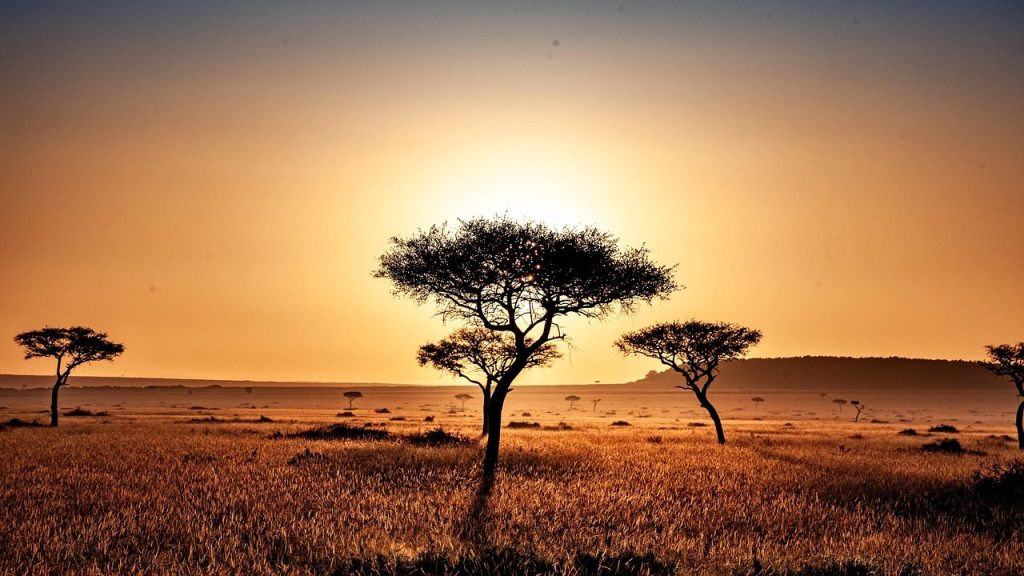
The name Serengeti comes from the Maasai word Siringet, meaning “the place where the land runs on forever.” This description reflects the park’s vast grasslands, rolling plains and open horizons.
The Serengeti is divided into several wildlife-viewing areas, each offering different experiences:
- Central Serengeti (Seronera): Famous for year-round wildlife viewing, big cats and excellent game drives.
- Northern Serengeti: Known for the Great Migration river-crossing season around the Mara River.
- Western Corridor: Recognised for the Grumeti River and seasonal migration movements.
- Southern Serengeti and Ndutu: Important calving grounds for wildebeests, especially early in the year.
Why Visit Serengeti National Park safari?
There are many reasons why Serengeti National Park safari is considered one of Africa’s leading safari destinations.
1. Witness the Great Wildebeest Migration
The Great Wildebeest Migration is one of the world’s most remarkable wildlife spectacles. Every year, huge herds of wildebeests, accompanied by zebras and gazelles, move across the Serengeti ecosystem in search of fresh grazing and water.
Depending on the season, visitors may witness:
- Large herds grazing across the plains.
- Wildebeest calving in the southern Serengeti.
- Predators following the migrating herds.
- River crossings in the northern Serengeti, when conditions and herd movements allow.
The migration follows rainfall and grazing patterns, so exact locations and dates can change from year to year.
2. Experience the Big Five
Serengeti National Park safari is an excellent destination for spotting Africa’s famous Big Five:
- Lions
- Leopards
- Elephants
- African buffaloes
- Rhinoceros
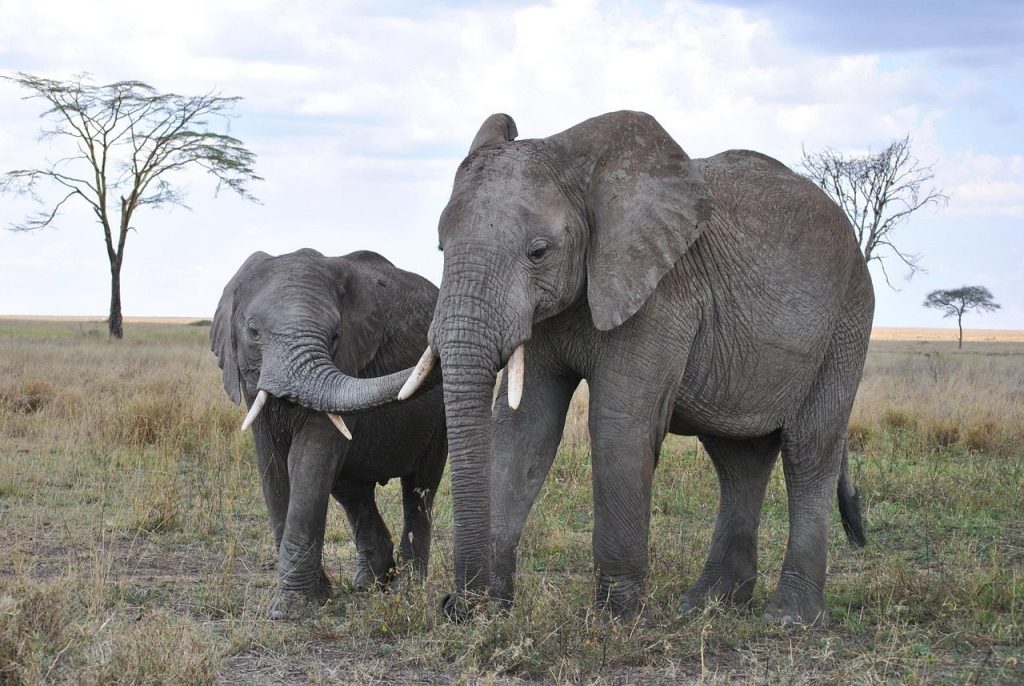
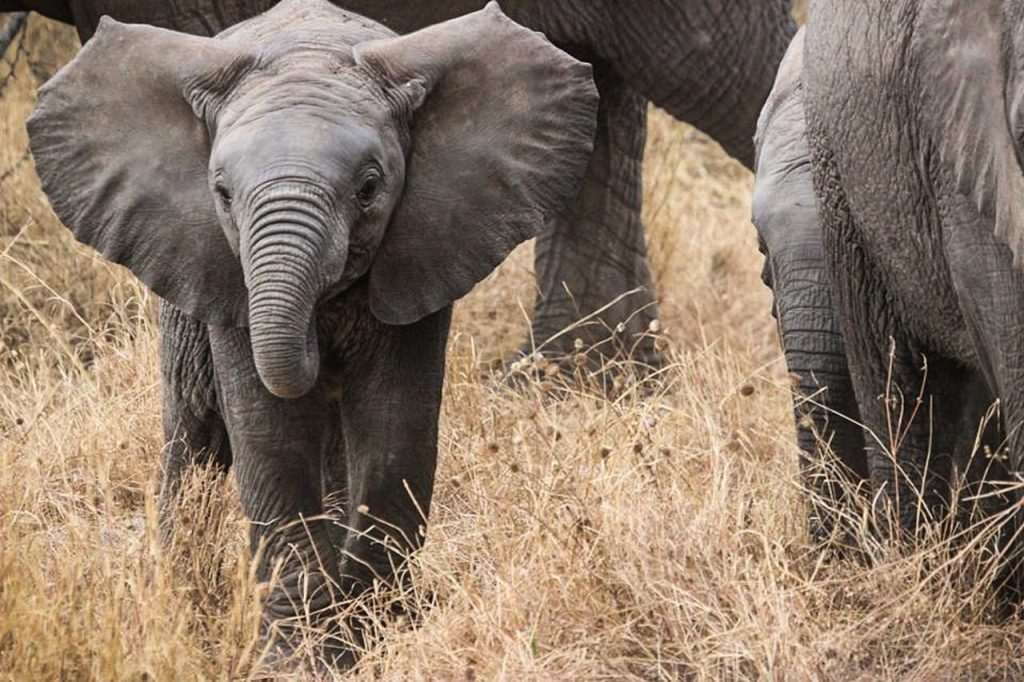
Serengeti National Park safari is particularly well known for its large lion population and excellent opportunities to observe predators in their natural habitat. Although rhinos are present, sightings are less common than those of other Big Five animals.
3. Enjoy Excellent Game Drives
Serengeti National Park safari Game drives are the main activity in Serengeti National Park. Visitors travel through open grasslands, river valleys and woodland areas in specially designed safari vehicles.
Morning and afternoon game drives offer opportunities to observe wildlife when animals are active. Full-day game drives are also popular for travellers who want to explore more distant sections of the park.
4. Discover Amazing Birdlife
Serengeti National Park safari is home to a wide variety of bird species, making it a rewarding destination for birdwatchers. Visitors may spot ostriches, secretary birds, vultures, eagles, hornbills and many other resident and migratory species.
5. Enjoy a Hot Air Balloon Safari
A hot air balloon safari offers a unique way to experience the Serengeti. The activity usually begins early in the morning, allowing visitors to enjoy sunrise views over the plains.
From above, you may see wildlife moving through the grasslands and enjoy spectacular views of the surrounding landscape. Balloon safaris are optional activities and should be arranged in advance.
Best Time to Visit Serengeti National Park safari
Serengeti National Park safari can be visited throughout the year. However, the best time depends on the wildlife experiences you want to enjoy, particularly if you are hoping to witness the Great Migration.
January to March: Calving Season
January to March is an excellent period to visit the southern Serengeti and Ndutu region. Large numbers of wildebeests gather in the grasslands during the calving season.
This period offers opportunities to see newborn calves and predator activity, including lions, cheetahs and hyenas.
April to May: Green Season
These months are generally associated with the long rains. The plains become green and beautiful, creating excellent photography opportunities.
Wildlife remains present, although rain can affect road conditions and some safari activities. Travellers may also benefit from quieter camps and seasonal offers.
June to July: Western and Northern Migration
As the herds move northwards, the western corridor and northern Serengeti become important wildlife-viewing areas.
Visitors may have opportunities to see large herds moving through the ecosystem. River crossings may occur during this period, but they are unpredictable.
August to October: Northern Serengeti and Mara River
August to October is a popular period for travellers hoping to see the Great Migration in the northern Serengeti.
Large herds may gather near the Mara River, where dramatic crossings can take place. However, river crossings are not guaranteed, and the timing depends on rainfall, river conditions and animal movements.
November to December: Short Rains and Southward Movement
During November and December, the herds generally begin moving southwards towards the Serengeti plains.
This period offers beautiful green scenery and opportunities to observe wildlife across different sections of the park.
Best overall recommendation: January to March is ideal for the calving season, while August to October is a popular period for northern Serengeti migration viewing. For general wildlife viewing, the central Serengeti offers excellent opportunities throughout the year.
Where to Stay in Serengeti National Park safari
Serengeti offers a wide range of accommodation, from luxury safari lodges and tented camps to midrange properties and budget campsites. Your choice should depend on your budget, preferred comfort level and the wildlife-viewing area you want to explore.
Luxury Accommodation
Luxury lodges and tented camps offer spacious rooms or suites, quality dining, swimming pools at selected properties and excellent service.
Examples include:
- Four Seasons Safari Lodge Serengeti: A luxury lodge in the central Serengeti, known for its elevated views and wildlife experiences.
- Serengeti Serena Safari Lodge: A lodge with traditional African-inspired design and views over the plains.
- Melia Serengeti Lodge: A luxury property offering comfortable accommodation and panoramic scenery.
Midrange Accommodation
Midrange lodges and tented camps are ideal for travellers looking for comfort and good safari facilities without choosing the most expensive options.
Examples include:
- Kubu Kubu Tented Lodge
- Serengeti Heritage Camp
- Embalakai Authentic Camps
Budget Accommodation
Budget travellers can consider public campsites and more affordable tented camps around the Serengeti ecosystem. These options are suitable for travellers who prioritise wildlife experiences while keeping accommodation costs manageable.
Accommodation availability and location vary by season. During the Great Migration, booking early is particularly important.
How to Get to Serengeti National Park
There are two main ways to reach Serengeti National Park: by road or by air.
By Road
Most road safaris begin in Arusha. The journey to the Serengeti takes several hours, depending on the chosen route, park gate and accommodation location.
A road safari offers an opportunity to explore other northern Tanzania attractions, including:
- Tarangire National Park.
- Lake Manyara National Park.
- Ngorongoro Conservation Area.
Travelling by road is a good option for visitors who want a multi-destination Tanzania safari.
By Air
Travellers can also take scheduled or charter flights from Arusha, Kilimanjaro or other regional airports to airstrips within the Serengeti.
Popular airstrips include Seronera, Kogatende and Grumeti. Your arrival airstrip should be selected according to your accommodation and the wildlife-viewing area you plan to visit.
Flying is a convenient option for visitors with limited time, although flight costs are generally higher than travelling by road.
Serengeti National Park safari Fees and Entry Requirements
Serengeti National Park is managed by Tanzania National Parks (TANAPA). Park fees depend on visitor nationality or residency status, age, season and the type of activity or accommodation.
Serengeti Park Entry Fees
For planning purposes, the published non-East African visitor conservation fees are:
| Visitor category | Adult | Child aged 5–15 |
|---|---|---|
| Non-East African visitor, peak period | USD 70 | USD 20 |
| Non-East African visitor, low season | USD 60 | USD 20 |
| Expatriate/Tanzania resident, peak period | USD 35 | USD 10 |
| Expatriate/Tanzania resident, low season | USD 30 | USD 10 |
| East African citizen | TZS 10,000 | TZS 2,000 |
Children below five years are generally exempt from the conservation fee. The peak and low-season periods in the published tariff are 16 May–14 March and 15 March–15 May respectively. VAT and other applicable charges may affect the final amount payable. tanzanianationalparks.com+2
Important: These are conservation fees, not the total cost of a Serengeti safari. Additional charges may apply for vehicles, camping, accommodation concessions, special activities and other services. Confirm the current tariff with TANAPA or your tour operator before travelling. https://www.tanzaniaparks.go.tz/
For official information, visit:
Entry Requirements
Before travelling to Serengeti National Park, prepare the following:
- Valid passport: Carry a passport that meets Tanzania’s entry requirements.
- Visa: Check whether your nationality requires a Tanzania visa and arrange it before travelling where necessary.
- Park booking: Ensure park entry and accommodation arrangements have been confirmed.
- Payment confirmation: Keep relevant park and activity payment receipts.
- Travel insurance: Comprehensive travel insurance is recommended.
- Health preparation: Consult a qualified healthcare professional about recommended travel vaccinations and malaria prevention.
- Suitable clothing: Pack comfortable safari clothes, walking shoes, a hat and a light jacket.
Visitors must follow TANAPA park rules, stay on authorised tracks, avoid disturbing wildlife and obey their safari guide’s instructions. Drone use is restricted and requires appropriate permission. Serengeti National Park+2
Ideal Serengeti National Park Safari Packages
The ideal safari duration depends on your budget, travel dates and wildlife interests. A longer stay gives you more opportunities to explore different areas of the park.
3 Days Serengeti National Park Safari
Duration: 3 Days / 2 Nights
Starting point: Arusha
Ending point: Arusha
Transport: 4×4 safari Land Cruiser
Day 1: Arusha – Serengeti National Park
Depart Arusha after breakfast and travel towards Serengeti National Park. Enjoy scenic views along the way, with a possible stop in the Ngorongoro Conservation Area depending on your route.
Arrive in the Serengeti and enjoy an afternoon game drive in search of wildlife before heading to your lodge or tented camp for dinner and an overnight stay.
Day 2: Full-Day Game Drive in Serengeti
After breakfast, enjoy a full-day game drive exploring the Serengeti plains. Look out for lions, elephants, giraffes, zebras, wildebeests, cheetahs and other wildlife.
Your guide will help identify animals and select the best areas to explore depending on current sightings and seasonal wildlife movements.
Enjoy a picnic lunch during the game drive before continuing your wildlife adventure.
Return to camp in the evening for dinner and an overnight stay.
Day 3: Serengeti – Arusha
Enjoy breakfast before departing for Arusha. Depending on your schedule, you may have time for a short morning game drive or a direct return journey.
Arrive in Arusha in the afternoon or evening, marking the end of your safari. https://servaltoursandtravel.com/tours/3-days-tanzania-group-joining/
4 Days Serengeti and Ngorongoro Safari
Duration: 4 Days / 3 Nights
- Day 1: Arusha to Serengeti National Park, with an afternoon game drive.
- Day 2: Full-day game drive in Serengeti, exploring the central plains and wildlife-rich areas.
- Day 3: Morning game viewing followed by a transfer towards the Ngorongoro Conservation Area.
- Day 4: Descend into Ngorongoro Crater for a game drive before returning to Arusha.
This itinerary is ideal for travellers who want to experience two of northern Tanzania’s most famous wildlife destinations.
5 Days Serengeti, Ngorongoro and Tarangire Safari
Duration: 5 Days / 4 Nights
- Day 1: Arusha to Tarangire National Park for a game drive.
- Day 2: Travel to Serengeti National Park with an afternoon game drive.
- Day 3: Full-day Serengeti wildlife exploration.
- Day 4: Travel towards Ngorongoro and enjoy a game drive in the conservation area or surrounding region, depending on the arrangement.
- Day 5: Explore Ngorongoro Crater before returning to Arusha.
This package combines elephant viewing, the Serengeti’s extensive plains and the remarkable Ngorongoro Crater.
What Is Included in a Serengeti national park Safari Package?
Depending on the selected itinerary and quotation, a safari package may include:
- Transport in a 4×4 safari Land Cruiser with a pop-up roof.
- Professional English-speaking driver-guide.
- Serengeti National Park game drives.
- Park entry and conservation fees, where specified.
- Accommodation during the safari.
- Meals as indicated in the itinerary.
- Drinking water during game drives.
- Pick-up and drop-off in Arusha.
What Is Excluded?
Unless specifically included in your quotation, the following may be excluded:
- International and domestic flights.
- Tanzania visa fees.
- Travel insurance.
- Hot air balloon safari.
- Tips and gratuities.
- Personal expenses and drinks.
- Additional activities not listed in the itinerary.
- Any park, vehicle or accommodation charges not included in the quotation.
Frequently Asked Questions About Serengeti National Park safari
Where is Serengeti National Park located?
Serengeti National Park is located in northern Tanzania, near the border with Kenya. It forms part of the larger Serengeti-Mara ecosystem.
2. What is Serengeti National Park safari famous for?
The park is famous for the Great Wildebeest Migration, its large lion population, the Big Five, open grasslands and excellent wildlife-viewing opportunities.
3. When is the best time to visit Serengeti National Park?
June to October is popular for dry-season wildlife viewing, while January to March is ideal for the wildebeest calving season in the southern Serengeti and Ndutu region.
4. Can I see the Great Migration in Serengeti?
Yes. The migration moves through different parts of the Serengeti ecosystem throughout the year. The best location to visit depends on your travel dates and the movement of the herds.
5. How many days are enough for a Serengeti safari?
Three days can provide a rewarding introduction to the park. Four to five days are recommended for travellers who want to explore more areas and enjoy additional game drives.
6. Can I see the Big Five in Serengeti National Park?
Yes. Serengeti is home to lions, leopards, elephants, buffaloes and rhinos. However, sightings of all five animals are never guaranteed, and rhinos can be particularly difficult to spot.
7. Is Serengeti suitable for families?
Yes. Families can enjoy game drives and wildlife experiences in the park. Accommodation options vary, so it is important to select a camp or lodge that accommodates children and suits the family’s needs.
8. Can I combine Serengeti with Kenya’s Masai Mara?
Yes. Serengeti and Masai Mara form part of the same wider ecosystem. A Kenya-Tanzania cross-border safari can combine both destinations, although border procedures, vehicle arrangements and travel time should be considered when planning.
9. What should I pack for a Serengeti safari?
Pack lightweight neutral-coloured clothing, comfortable shoes, a hat, sunglasses, sunscreen, insect repellent, binoculars, a camera, a light jacket and personal medication.
10. Is a hot air balloon safari available in Serengeti?
Yes. Hot air balloon safaris are available in selected areas of the Serengeti. They usually take place at sunrise and require advance arrangements. They are normally charged separately from standard safari packages.